
Rough Terrain Crane Buying Guide

Industry News

2026/01/09
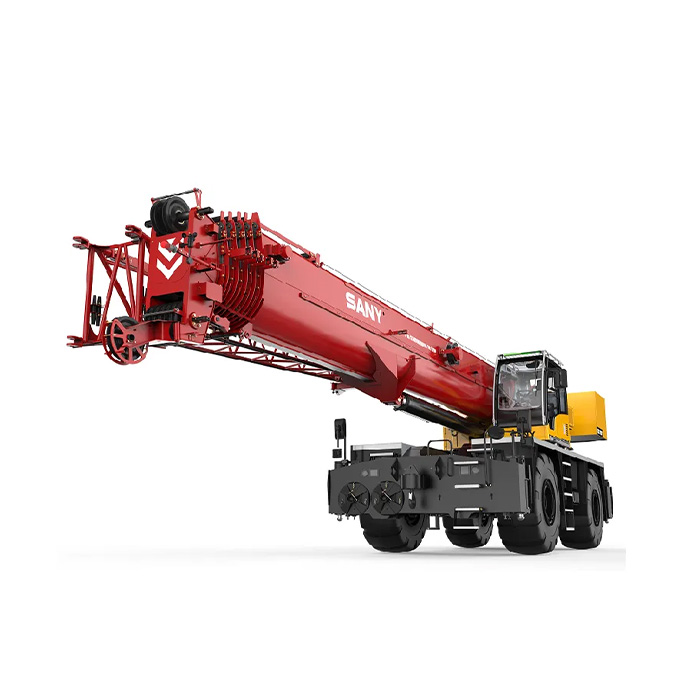
Picking the right gear for hard job sites can make a project succeed or fail. A rough terrain crane works well when you need a machine that deals with bumpy ground without stopping. This guide covers the main points. It goes from basic features to wise buying choices. The info comes from real jobs in building and digging where these cranes show their value day after day.
Understanding Rough Terrain Cranes
These cranes handle places where normal gear can’t move. They have big tires and tough bodies. So they roll over dirt, stones, and wet mud like it’s smooth road. Picture a work area far out with no hard paths. That’s when a rough terrain crane does great. It lifts big weights and stays steady.
Projects in oil fields or building bridges often rely on them. Their design includes a single cab for driving and operating, which cuts down on extra weight. This setup lets one person handle everything, saving time on busy sites. For more details on available options, check out the crane category to see what’s out there.
Moving from basics, let’s look at what sets top performers apart in terms of specs and capabilities.
Key Specifications for Your Needs
Every project has unique demands, so matching specs to the job matters a lot. Start with the basics: capacity, reach, and how it moves.
Lifting Capacity and Load Charts
Capacity ranges from 30 tons up to 165 tons in many cases. A smaller 40-ton model suits light industrial work, like placing steel beams on a warehouse build. Heavier ones, say 100 tons, handle big tasks in mining, where you might lift equipment parts over rough hills.
Load charts show exactly what the crane can do at different angles and lengths. Study these charts closely—they factor in boom extension and counterweights. For instance, at full extension, capacity drops by half or more. Sites with wind or soft soil need extra caution here to avoid tipping.
Boom Length and Extension Options
Booms typically stretch from 30 feet to over 100 feet. Short booms work well in tight urban spots, while longer ones reach high for tasks like installing wind turbine parts. Add a jib for extra reach, pushing it to 150 feet in some setups.
Consider how the boom telescopes. Hydraulic systems make it smooth and quick, cutting setup time. On a highway repair job, quick extension means less downtime for traffic.
Mobility and Drive Systems
All-wheel drive comes standard, with oversized tires gripping loose surfaces. Four-wheel steering turns sharp in confined areas, like navigating around trees on a forestry site.
Ground clearance often hits 20 inches or more, letting it cross ditches without getting stuck. In rainy conditions, this prevents bogging down, keeping schedules on track.
Here’s a quick table comparing common mobility features:
| Feature | Benefit | Example Use Case |
| All-Wheel Drive | Strong traction on mud | Off-road construction sites |
| Oversized Tires | Better stability on rocks | Mining operations |
| High Clearance | Crosses obstacles easily | Rural infrastructure projects |
These elements tie together to make the crane reliable in harsh spots.
With specs in mind, think about whether buying new or used fits your budget and timeline.
New vs. Used: Making the Smart Choice
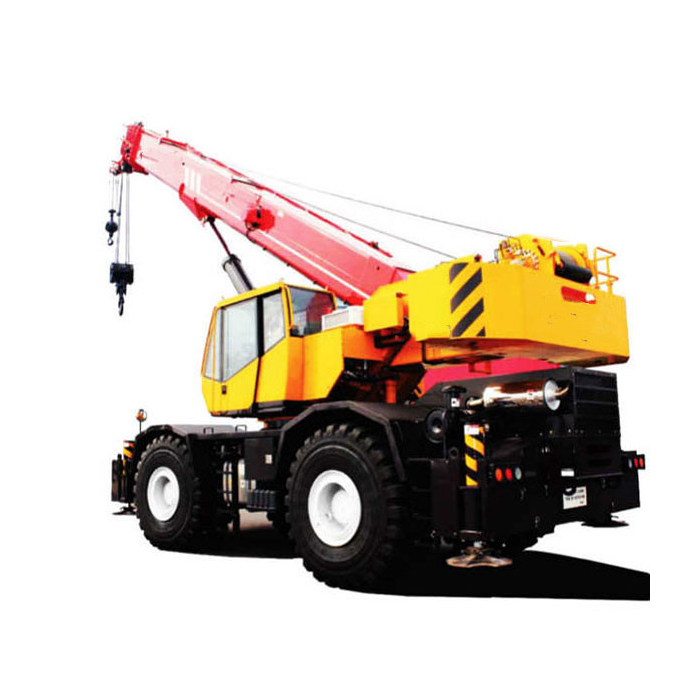
New machines bring the latest tech, like advanced controls that cut fuel use by 10-15%. They also come with warranties, often 1-2 years, covering major repairs. For long-term projects spanning years, this peace of mind pays off.
Used options cost 30-50% less upfront. A well-maintained unit from a few years back still delivers solid performance. Check service records—look for regular oil changes and part replacements. Auctions and dealers often list them with inspections done.
- Pros of new: Fresh tech, full warranty, custom features.
- Cons of new: Higher price, longer wait for delivery.
- Pros of used: Quick availability, lower cost.
- Cons of used: Lack of after-sales support, high repair costs.
Weigh these against your project length. Short jobs might lean toward rentals, but for ongoing work, owning builds equity.
Safety can’t be overlooked when dealing with heavy lifts in tricky areas.
Safety Features That Matter
Modern designs include load moment indicators, which beep if a lift nears limits. This tech has cut accidents by 20% in recent studies from construction groups.
Outriggers extend for a wider base, crucial on slopes. Anti-two-block systems stop the hook from hitting the boom, preventing damage.
Cabins seal against dust and noise, with wide views to spot hazards. Air conditioning keeps operators alert in hot weather.
Train your team on these—certified operators reduce risks sharply. Regular checks, like daily tire inspections, catch issues early.
Beyond safety, ongoing care keeps the machine running strong.
Maintenance and Long-Term Costs
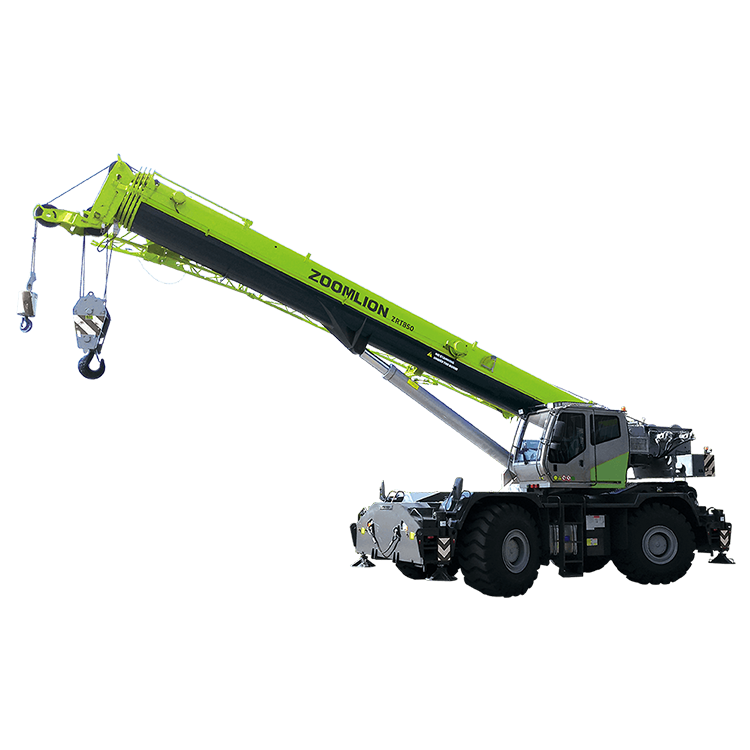
Daily routines include greasing joints and checking fluids. Every 500 hours, swap filters to avoid breakdowns.
Fuel efficiency varies—some models sip 5-7 gallons per hour under load. Electric options cut this further, though they’re pricier upfront.
Spare parts availability counts. Suppliers with global networks deliver fast, minimizing downtime. Factor in resale value; well-kept units hold 60-70% of original price after five years.
These factors build a picture of total ownership cost over time.
As you narrow choices, reliable suppliers make the process smoother.
Why Choose MachPlaza for Your Rough Terrain Crane Needs
MachPlaza stands as a key exporter of Chinese construction machinery, covering full machines, parts, and accessories. The team focuses on customer needs from start to finish, with competitive prices and on-time delivery. A wide network means tailored solutions for any project. Learn more on the official website or browse the full product lineup. For general inquiries, visit the main site.
Conclusion
Wrapping up, a rough terrain crane boosts efficiency on demanding sites by combining power, mobility, and safety. Careful picks on specs, buy options, and maintenance lead to better results and lower costs. This approach not only gets jobs done but strengthens your operation’s reputation for handling tough tasks well.
FAQs
What should I check first in a rough terrain crane buying guide?
Look at lifting capacity and boom length to match your project loads. These basics ensure the crane fits without overkill.
Is it better to buy or rent a rough terrain crane for small projects?
For short jobs, renting saves money upfront. Buying suits repeated use, building long-term value.
What safety features are key when buying a rough terrain crane?
Prioritize load indicators and outriggers. They prevent overloads and keep lifts stable on uneven ground.
