
Picking the Best Paver Machine for Your Job

Industry News

2026/01/15
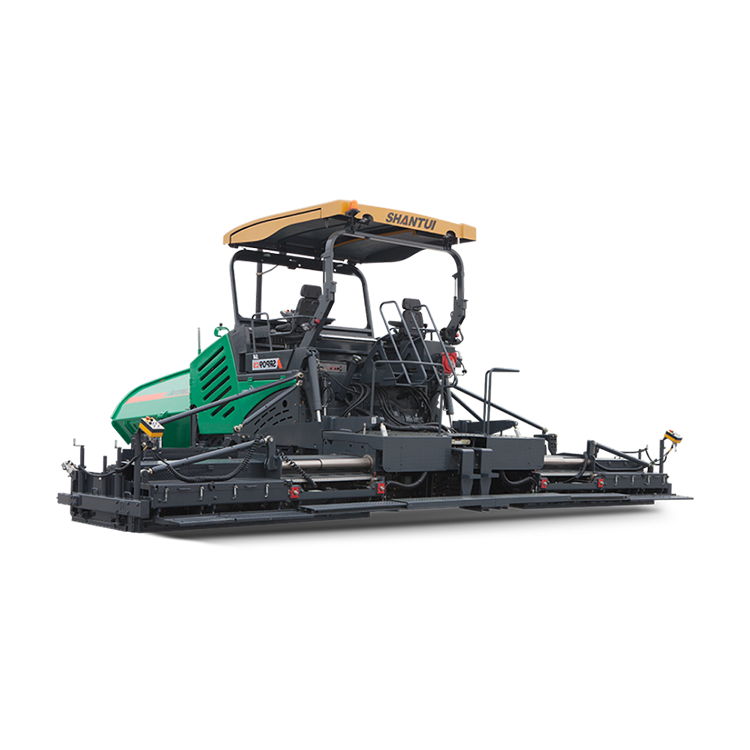
Road projects demand solid planning. Every detail counts, from the ground prep to the final layer. One key piece? The paver machine. Get this wrong, and delays stack up. Costs rise. Quality dips.
This guide walks through the steps. It draws from real jobsites where teams faced tight deadlines and rough terrain. Think highways stretching miles or narrow city paths. We’ll cover what matters most.
Understanding Paver Machines
Paver machines lay down asphalt or concrete smoothly. They spread material evenly, compact it, and shape the surface. No lumps. No weak spots.
Different jobs call for different setups. A big highway needs something hefty. A parking lot? Maybe lighter gear.
Projects vary wildly. Some span weeks with heavy traffic ahead. Others wrap in days for light use. Matching the machine to the task keeps things running smooth.
Types of Paver Machines
Two main kinds stand out: wheeled and tracked.
Wheeled pavers move fast on firm ground. They zip between sites without tearing up roads. Ideal for urban spots where speed beats all. But on soft soil? They might sink or slip.
Tracked pavers grip better. Their wide bases handle mud or loose dirt. Perfect for rural roads or fresh builds. Downside: slower travel, higher wear on parts.
Size plays in too. Small units fit tight spaces like bike paths. Large ones tackle interstates, laying wide swaths at once.
A crew on a suburban driveway job picked a compact wheeled model. It maneuvered around trees and curbs easily. Finished ahead of schedule. Saved on fuel.
Key Factors in Choosing the Right Paver
Pick based on facts, not guesses. Look at the site, the timeline, the crew.
Project scale tops the list. Measure the area. Figure daily output needs. A machine rated for 300 tons per hour suits big pours. Smaller? Go for 100 tons to avoid overkill.
Terrain tells a lot. Rocky hills demand strong traction. Flat pavement? Focus on speed.
Material type matters. Asphalt needs heat control to stay workable. Concrete calls for vibration to settle right.
Don’t skip power sources. Diesel engines push through long shifts. Electric options cut noise on city jobs. One site near homes switched to quieter units. Neighbors complained less. Work flowed better.
Performance and Efficiency
Efficiency saves money. Look for systems that cut fuel use by up to 7%. Smart hydraulics adjust flow on the fly. Less waste. Longer part life.
Transmission strength handles impacts. Reliable drives keep downtime low. On a bridge repair, a sturdy setup pushed through without breaks. Hit the deadline.
Control features help. Electronic monitors spot issues early. Alarms prevent big fails. Operators stay sharp with easy handles.
A team on a rural road used variable hydraulics. It adapted to load changes. Boosted output by 10%. Reduced energy loss.
Budget and Maintenance Considerations
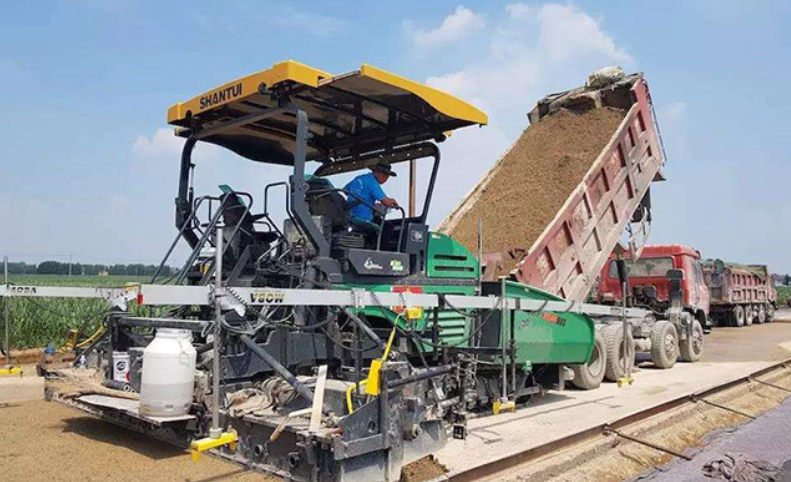
Costs go beyond the sticker price. Factor in upkeep, parts, and training.
Initial outlay varies. Basic models start low. Advanced ones add features like auto-leveling. Weigh against job value.
Maintenance eats time. Choose designs with easy access points. Quick swaps for filters or belts. A fleet manager reported 20% less shop time with modular builds.
Long-term value shines through. Durable frames last years. High resale keeps options open.
Spare parts availability counts. Wide networks mean fast fixes. One contractor faced a breakdown mid-job. Got parts overnight. Back online quick.
Training seals the deal. Simple interfaces cut learning curves. Crews ramp up fast. Safer too.
| Factor | Why It Matters | Example Impact |
| Initial Cost | Sets entry barrier | High upfront but saves on fuel over time |
| Maintenance Frequency | Affects downtime | Weekly checks vs monthly; reduces halts by 15% |
| Parts Availability | Speeds repairs | Local stock cuts wait from days to hours |
| Resale Value | Future flexibility | Retains 60% value after 5 years |
This table breaks it down. Use it to compare options.
Safety and Comfort Features
Jobsites pose risks. Good machines cut them.
Cab designs protect. Pressurized seals block dust. Wide views spot hazards. Low noise keeps focus sharp. Under 76dB inside? Operators last longer shifts.
Floating functions ease control. Push material without constant tweaks. Less fatigue.
Emergency systems integrate brakes and alerts. Safe stops in seconds.
A highway crew praised sealed cabs. Dust stayed out. Vision clear. No health gripes.
Comfort builds efficiency. Adjustable seats. Climate control. Operators push harder without strain.
Explore more on road machinery options here.
Environmental and Regulatory Aspects
Rules shape choices. Emissions standards tighten. Pick machines that meet them.
Green tech helps. Low-fuel systems reduce output. Electric drives slash it to zero on some jobs.
Site impact counts. Tracks minimize ground damage. Wheeled units avoid ruts on finished paths.
A wetland project used wide pads. Low pressure kept soil intact. Met eco regs.
Noise limits apply in towns. Quiet engines avoid fines.
Sustainability boosts rep. Clients favor green ops. Builds brand strength. Repeat business follows.
Learn about full product lines on this page.
Working with Suppliers
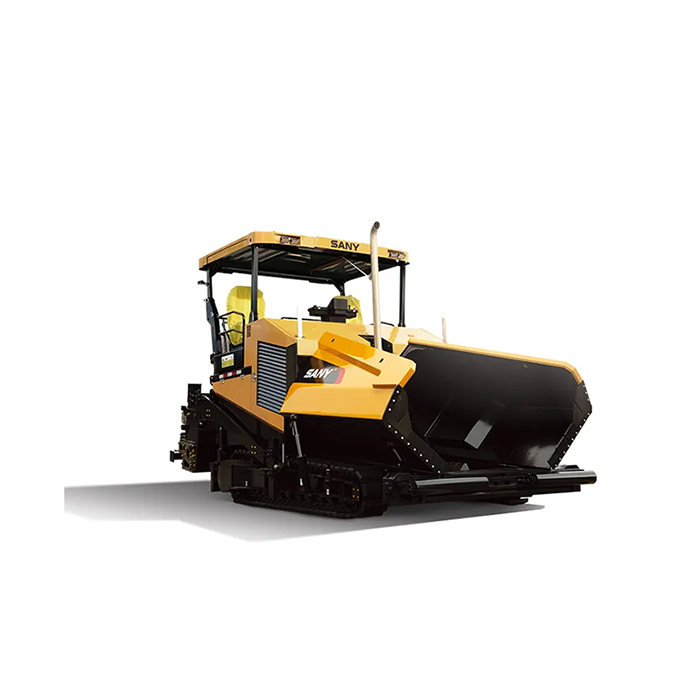
Partners make a difference. Good ones offer more than sales.
They provide custom fits. Test runs. Advice from vets.
A reliable exporter handles logistics. Timely delivery. Competitive rates.
MachPlaza stands as a key paver supplier. They export full ranges from China. Cover complete machines to parts. Focus on customer ops. From pre-sale chats to after-sale support. Full cycle care. Worry-free service. Vast networks tailor solutions. Build long ties worldwide.
Head to their main site for details at MachPlaza.
Wrapping Up the Selection Process
Summing it all. Match machine to job needs. Scale, terrain, budget. Efficiency, safety, green factors. Solid picks cut risks. Boost output. Strengthen your outfit’s name in the field.
Right choices lead to smooth roads. Happy clients. Growing ops.
FAQs
What should I consider first when choosing the right paver for my project?
Start with project size and terrain. For large highways, opt for high-output tracked units. Small paths suit wheeled models for quick moves.
How does machine type affect efficiency in asphalt paving?
Wheeled pavers speed up on firm ground but struggle in mud. Tracked ones grip better, cutting slips and boosting daily tons laid.
Are there ways to cut costs when selecting a paver machine?
Yes. Pick efficient hydraulics to drop fuel by 7%. Easy maintenance designs reduce downtime. Factor resale for long-term savings.
What role do safety features play in paver selection?
They protect crews. Sealed cabs block dust. Low noise aids focus. Emergency brakes prevent accidents on busy sites.
How can environmental factors influence choosing an asphalt paver?
Regulations demand low emissions. Green machines like electric options meet standards. Wide tracks lessen soil harm on sensitive areas.
