
Multi-function Excavator for Infrastructure Construction

Industry News

2026/05/08
 Infrastructure projects need reliable equipment. Roads, bridges, ports all demand heavy machines. An excavator handles digging, lifting, breaking. One machine does many jobs. This guide covers what matters for infrastructure work.
Why Multi-Function Excavators Win on Infrastructure Sites
A multi-function excavator switches between tasks. Quick couplers let operators change attachments in minutes. No need to rent extra machines. This saves money on every project.
Standard buckets dig soil. Hydraulic hammers break concrete. Grading blades level surfaces. Grapples handle scrap. All from one base machine. Contractors love this flexibility.
Infrastructure builds span months or years. Equipment costs add up fast. One versatile excavator beats buying three different machines. That makes budget sense for any company.
Key Features That Handle Tough Infrastructure Jobs
Heavy-duty frames survive rough sites. Reinforced booms lift heavy loads. High-powered motors drive through mud and gravel. These machines work when conditions get hard.
Hydraulic systems matter most. Large flow rates move attachments fast. Responsive controls let operators feel the work. Smooth operation means precise digging. That matters near existing structures.
Cab designs protect operators. Seats adjust for long shifts. Screens show load data. Cameras improve visibility. Good cabs reduce fatigue. That means safer work on busy sites.
Spare parts matter for uptime. Standard hoses, filters, bushings. Common hydraulic components. When something breaks, parts matter. Quick fixes keep projects moving.
How to Choose the Right Excavator for Your Project
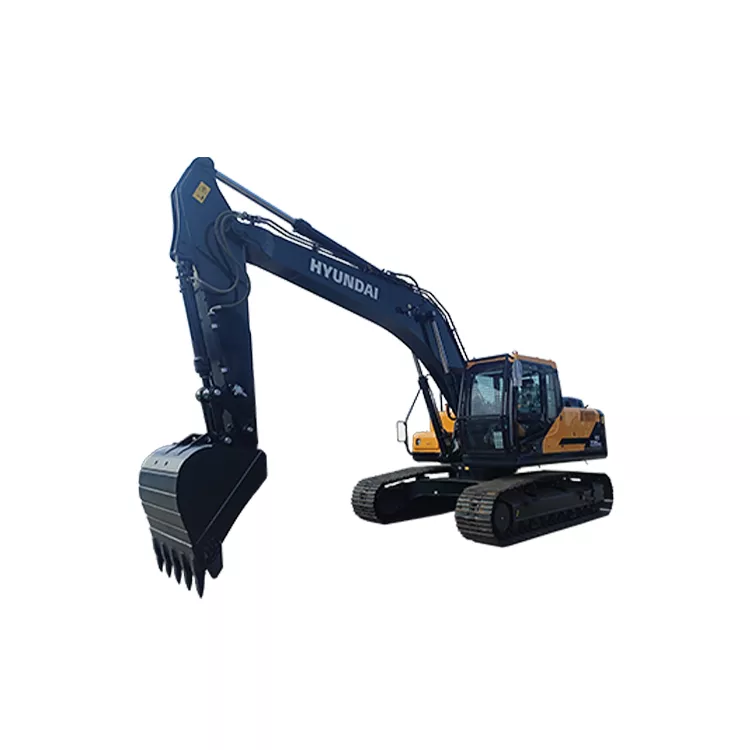 Match size to the job. Small urban sites need compact machines. Large highway work needs big excavators. Size right the first time saves money.
Check engine power. More horsepower handles tougher ground. Rocky soil demands strong motors. Soft dirt works with less. Know your site conditions.
Look at attachment compatibility. Some machines accept only certain couplers. Verify your attachments fit. That avoids surprises on the job.
Consider fuel efficiency. Big machines burn more fuel. Modern engines use less. Lower fuel costs matter over long projects.
Buying Tips for Infrastructure Companies
Dealer support counts. Local parts inventory matters. Service response time matters. Choose dealers near your projects.
Warranty terms vary. Some cover three years. Others cover five. Transferable warranties help resale value.
Used machines work for many companies. Check hours on the meter. Inspect hydraulic fluid color. Test all functions before buying. Good maintenance shows in machine performance.
Financing options matter. Leases keep cash flow healthy. Loans build ownership. Compare rates from multiple lenders.
Maintenance That Keeps Infrastructure Excavators Running
Daily checks prevent problems. Fluid levels need checking. Hoses need checking. Leaks get worse fast. Catching issues early saves repair bills.
Filter changes follow schedules. Air filters keep engines clean. Hydraulic filters keep systems clean. Dirty filters cause wear. That hurts performance over time.
Grease points need attention. Joints wear without lubrication. Daily greasing extends component life. It’s simple but effective.
Track hours for major service. Hydraulic fluid changes at set intervals. Engine overhauls at high hours. Planning ahead avoids unexpected downtime.
That’s It
Multi-function excavators handle infrastructure work. One machine does many jobs. Flexible attachments save money. Dealer support matters for uptime. Regular maintenance keeps machines running strong.
Need parts or attachments? Check MachPlaza for excavator components. They supply genuine parts worldwide.
FAQs
Q1: How long do multi-function excavators last?
A: With proper care, these machines run 15,000 to 20,000 hours. Twenty years is possible with good maintenance.
Q2: What size excavator for infrastructure work?
A: Medium 20-30 ton machines suit most infrastructure projects. Highway and bridge work needs the larger sizes. Urban sites need compact units.
Q3: What about excavator spare parts?
A: Standard parts include filters, hoses, bushings, pins. Keep inventory of fast-wear items. Genuine parts last longer.
Q4: How to add a breaking hammer?
A: Quick couplers let operators switch attachments. Connect hammer to hydraulic lines. Test control response before use.
Q5: What makes excavators good for infrastructure?
A: Versatile attachments handle multiple tasks. Strong hydraulic systems power through tough ground. Heavy frames support long work hours.
Q6: How often to service?
A: Daily checks. Filter changes every 250 hours. Major service at 1000-hour intervals. Follow manufacturer schedules.
Q7: What about fuel consumption?
A: Economy modes help. Proper loading reduces waste. Well-trained operators use less fuel. Regular maintenance keeps engines efficient.
Q8: Used excavators worth buying?
A: Low-hour machines from good fleets work well. Check service history. Test all functions. Inspect hydraulic fluid condition.
Q9: What attachment for breaking concrete?
A: Hydraulic hammers handle concrete and rock. Choose correct size for your excavator. Heavier hammers need stronger machines.
Q10: How to reduce downtime?
A: Keep spare parts on site. Follow maintenance schedules. Train operators well. Build relationship with service technicians.
