
Key Factors to Consider When Buying a Concrete Truck Mixer

Industry News

2025/11/20

Thinking about getting a concrete truck mixer? It’s a major move for any building crew. These vehicles help keep things going by blending and dropping off concrete exactly where it’s needed. Pick wisely, and you’ll cut down on time and cash. Choose poorly, though, and you could deal with failures or added bills. In this piece, we’ll go over the chief points to think about when buying a concrete truck mixer. We’ll make it simple, zeroing in on what counts for people like you—builders, contractors, or those handling fleets who want to improve their work.
Concrete truck mixers show up in various forms and scales, but the aim stays the same: steady work on the site. We’ll touch on aspects from scale to protection, pulling from everyday advice. When you’re done reading, you’ll know how to select one that suits your tasks. Let’s jump in.
Understanding Your Project Needs
Before you start checking choices, consider what your jobs require. Each location differs, and so does each mixer.
Assessing Project Scale
How large are your usual concrete pours? Tiny home projects might just need a couple of cubic meters each time. Bigger setups, like highways or spans, demand more amount. Fit the mixer to your normal load to skip wasting gas or hours on partial trips. It’s basic: too tiny, and you make more runs. Too huge, and it’s tough to handle in cramped areas.
Think about your team size as well. A mixer that’s simple to run means less teaching for your workers. Chat with your drivers—they spot what holds them back.
Evaluating Operational Environment
Where do you mostly operate? City spots with slim roads? Or bumpy paths off the beaten track? The ground type decides what you need. For rough land, seek out sturdy frames that take the hits without breaking down soon. In towns, smaller shapes let you move through crowds and sharp corners.
Weather matters too. Warm places might call for stronger cooling to stop the mix from hardening fast. Chilly areas could need warmers. Plan for these bits ahead. They lead to fewer problems down the road.
Capacity and Size Options
Capacity often tops the list for buyers. It links straight to how much you can carry and stir.
Mixing Drum Volume
Drums go from smaller 4 cubic meter kinds up to 12 cubic meters or beyond. Choose based on your daily work. For instance, a middle 8 cubic meter drum fits lots of business tasks—plenty for regular jobs without excess.
Bigger drums cut down on mixes, but they add heaviness. That hits gas use and path wear. Smaller ones weigh less and move easier. Balance your wants: speed against ease of movement.
Overall Vehicle Dimensions
Size covers more than the drum. The entire truck—how long, wide, tall—counts for storing and moving. Taller mixers may not slip under short overpasses. Wider ones might fight on thin trails.
Here’s a fast table to match common sizes:
| Capacity (m³) | Typical Length (m) | Typical Width (m) | Best For |
| 4-6 | 7-8 | 2.3-2.5 | Small sites, city work |
| 8-10 | 8-9 | 2.5-2.6 | Medium projects, everyday use |
| 12+ | 9-10 | 2.6+ | Big jobs, lots of volume |
Use this as a kickoff. Check your shed or lot to confirm it fits.
Keep in mind, larger isn’t always superior. A mixer that matches your area saves trouble.
Durability and Build Quality
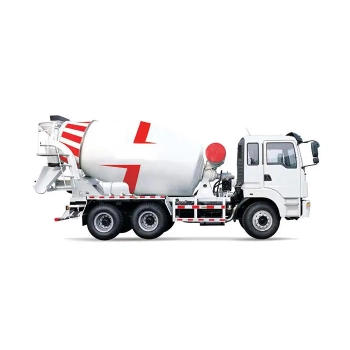
A sturdy mixer holds up for years. Cut corners here, and fixes drain your wallet.
Materials and Construction
Check the drum stuff—tough steel fights off bumps and rust. Solid joins keep it all secure. The base needs to be rugged, taking heavy weights without bending.
In hard places, stronger pieces make a real difference. They endure the daily wear.
Longevity in Harsh Conditions
Work areas aren’t kind. Dirt, stones, endless shaking—they all challenge the make. Pick mixers with good histories in like spots. Scan comments from other folks. What lasts in wet or dusty times?
Upkeep records matter as well. Parts that swap out easy lead to faster mends. Time off costs dough, so toughness returns quick.
Efficiency and Performance
No one likes a fuel hog. Good flow keeps bills low and tasks rolling.
Engine Power and Fuel Use
Power levels differ, from about 150 kW for light work to over 300 kW for heavy pulls. Extra strength aids on slopes or with full weights. But match it with decent gas mileage.
Some use diesel, others give gas picks for cleaner runs. Review your area rules on smoke. A mighty motor that drinks little? That’s ideal.
Mixing Speed and Output
How quick does it blend? Fast stirring means quicker drops. Seek drums that spin smooth, dodging lumps.
Flow connects to the push system too. Fluid setups often go quieter and steadier. Try the handles—basic ones hurry your day.
Safety Features to Prioritize
Safety can’t be skipped. It guards your group and dodges penalties.
Operator Cab Design
A cozy spot cuts tiredness. Clear views lower crashes. Things like mirrors and cams spot dangers.
Comfy chairs and knobs ease long hours. Cool air in heat? Essential.
Emergency and Stability Systems
Anti-tip gear keeps the truck firm on bends. Stops that grab slick paths save folks.
Warnings for overload or low liquids alert early. Safety isn’t showy, but it counts daily.
Maintenance and After-Sales Support
Regular care keeps your mixer going.
Ease of Servicing
Basic layouts mean quicker fixes. Reachable bits shorten shop stays.
Keep usual spares on hand. Know nearby fixers who deal with these.
Warranty and Parts Availability
Strong guarantees cover major troubles. Fast part sends skip long holds.
Form ties with sellers. They share hints or bargains often.
Cost Factors Beyond the Price Tag
Cost is just the beginning. Dig deeper.
Initial Purchase vs. Long-Term Expenses
Low at first might mean high mends later. Add in gas, bits, coverage.
Figure total owning price over five years. It shows the true value.
Financing and Value for Money
Loans or rents spread pays. Solid worth means steady tasks without shocks.
Look around. Match offers. At times, a tad more gets calm.
Introducing MachPlaza as Your Concrete Truck Mixer Supplier
When you’re set to buy, go to a dependable spot. MachPlaza shines as a leading sender of Chinese building tools. They focus on concrete truck mixers, giving a broad pick to match different wants. Their aim? Handing out good machines that endure, with full aid from beginning to end.
What makes them special is their care for buyers. They manage all—before-buy tips, easy deals, and after-help. With a world web, they make sure on-time sends and fair costs. Also, they shape answers to your setup, ensuring you grab what fits best. As a trusty mate, MachPlaza forms lasting links, aiding your work to grow firm in the building field.
Conclusion
To sum up, buying a concrete truck mixer comes down to fitting the tool to your tasks. We’ve gone over main points like amount, toughness, flow, safety, upkeep, and bills. Ponder your jobs, setting, and funds. A wise pick lifts your output and drops dangers. With the right mixer, your crew stays busy, and work ends on schedule. Set to go ahead? These ideas lead you to a firm choice that backs your rise.
FAQs
What are the main factors to consider when buying a concrete truck mixer?
Chief points include amount for your load scales, toughness for hard spots, flow to save on gas, safety bits to shield your team, and upkeep ease for less off time. Fit these to your daily wants for the top match.
How does capacity affect my choice when buying a concrete truck mixer?
Amount sets how much concrete you can stir and carry. Smaller drums suit tight city tasks, while bigger ones handle large pours. Choose based on your usual job to skip extra runs or empty room.
Why is durability important in factors when buying a concrete truck mixer?
Toughness means the mixer holds against rough handling without often stopping. Strong stuff and makes lower fix bills and keep your work going even, specially in bad weather or ground.
What safety aspects should I look at when buying a concrete truck mixer?
Zero in on spot views, firm systems, and quick stops. These lower crash chances and keep your group safe on crowded areas.
How can efficiency impact the decision when buying a concrete truck mixer?
Good flow cuts gas costs and hurries stirring. Seek balanced strength that takes weights without drinking tons, helping your cash over time.
