
How to Pick the Perfect Road Roller for Your Project

Industry News

2025/11/14

Picking the right road roller isn’t just about grabbing any machine off the lot. Get it wrong, and you’re staring at uneven surfaces, wasted time, and extra costs that eat into your profits. Nail it, though, and your project rolls smooth—literally. Whether you’re paving a quiet neighborhood street, compacting soil for a new parking lot, or finishing off an asphalt driveway, the perfect road roller matches your needs spot on.
This guide walks you through how to choose the right road roller for your project. We’ll break down the steps, from sizing up your site to spotting must-have features. By the end, you’ll know exactly what to look for. Contractors and site bosses, this one’s for you. Let’s dig in.
Step 1: Size Up Your Project Needs
Before you even glance at machines, map out your job. Every site tells a story—what’s the ground like? How big is the area? What’s your timeline? Skipping this step leads to underpowered gear that bogs you down.
Start simple. Grab a notepad. Jot down basics: total square footage, material type (gravel, dirt, asphalt?), and access routes. Tight spots? Narrow gates call for compact rollers. Vast open fields? Go bigger.
Match Roller to Soil and Materials
Soil isn’t one-size-fits-all. Sandy stuff shifts easy—needs steady pressure. Clay? It clumps and fights back, demanding aggressive drums.
- Loose, granular soils (sand, gravel): Smooth drum rollers shine here. They knead evenly without digging in.
- Cohesive soils (clay, silt): Padfoot or sheepsfoot drums break it up, locking particles tight.
- Asphalt mixes: Vibratory tandem rollers seal it flat, no waves.
Picture this: A small municipal job with mixed gravel. A light vibratory roller compacts fast without rutting. Heavy clay site? Switch to padfoot for deeper bite.
Gauge Site Scale and Access
Small project? Under 5,000 square meters? Stick to ride-on rollers under 5 tons. They maneuver quick in tight yards or residential builds.
Big highway stretch? Heavy single-drum beasts, 10 tons plus, handle the load. Check doorways, turns. Articulated frames turn sharp—perfect for curves.
Daily hours matter too. Light duty, 4-6 hours? Basic models work. All-day grind? Opt for rugged frames that take punishment.
Step 2: Know Your Road Roller Types
Machines come in flavors. Each fits certain jobs. Here’s a quick rundown to choose the right road roller for your project.
| Type | Best For | Pros | Cons | Weight Range |
| Smooth Drum Vibratory | Asphalt, gravel roads | Even finish, high speeds | Less grip on soft soil | 3-15 tons |
| Padfoot/Sheepsfoot | Clay, tough soils | Deep compaction, breaks lumps | Rougher surface | 8-20 tons |
| Pneumatic (Rubber Tire) | Final asphalt pass, seal coats | Flexible pressure, kneads well | Needs air checks daily | 10-30 tons |
| Tandem Double Drum | Thin lifts, sidewalks | Two drums for balance | Limited on thick layers | 1-12 tons |
| Static Roller | Finish layers, sensitive areas | No vibration damage | Slower on deep compaction | 5-25 tons |
Pick based on layers. Base course? Heavy single drum. Top asphalt? Tandem vibratory.
Short tip: Test soil samples first. Drop a handful—crumbles? Granular. Sticks? Cohesive.
Step 3: Hunt for Standout Features
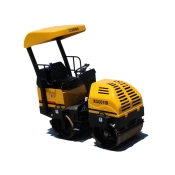
Specs tell the real story. Don’t chase flash—focus on what works.
Drum Size, Weight, and Vibration Power
Drum width matches your path. 1.2 meters? Good for lanes. Wider for highways.
Weight crushes it down. Static weight for light touch; dynamic (vibration on) multiplies force. Aim for 30-50 kg per cm width.
Vibration? Low amplitude, high frequency for asphalt (fast passes). High amplitude, low freq for soil (deep punch).
Real talk: A 10-ton roller at 40 Hz vibes 20 passes into gravel. Done.
Engine Strength and Fuel Smarts
Power pulls through. 50-100 kW handles midsize jobs. Diesel rules for torque, but check emissions if site’s green-sensitive.
Fuel sippers save cash. Look for eco modes—cut burn by 10-15% on idle.
Hydraulic drives beat mechanical. Smooth shifts, less wear.
Steering and Maneuverability
Articulated? Turns on a dime. Crab steering? Side shifts for edges.
Edge rollers hug curbs—no hand tamping shoulders.
Step 4: Prioritize Operator Ease and Safety
Happy operator, fast job. Cramped cab? Fatigue hits quick.
Seek:
- ROPS/FOPS cab: Rolls over? You’re safe.
- AC/heat, big windows: All-weather comfort.
- Joystick controls: Intuitive, less strain.
- Cameras/rearview: Blind spots gone.
Low noise under 80 dB. Vibration-damped seat. These keep your team sharp.
Step 5: Plan for Long Hauls—Maintenance and Costs
Cheap buy, pricey fixes. Hunt durable builds.
- Easy-access panels:Grease points upfront.
- Quality hydraulics:Leak-proof seals.
- Parts availability:Local stock cuts downtime.
Budget? Factor total own time: fuel 30%, maintenance 20%, resale 10%.
Table for quick math:
| Cost Factor | Low-End Roller | Mid-Range Pick |
| Upfront Price | $30K | $60K |
| Fuel/Year | $8K | $6K |
| Repairs/5 Yrs | $15K | $8K |
| Total 5-Yr Cost | $75K | $82K (but faster jobs!) |
Mid-range wins long-term.
Spotlight on MachPlaza: Your Go-To Road Roller Supplier
Discover MachPlaza: Your Go-To Road Roller Supplier MachPlaza leads the way in exporting top-notch construction gear, including a full lineup of road rollers tailored for any job. From compact units for tight sites to heavy-duty compactors for big builds, they deliver competitive prices, fast shipping, and full lifecycle support—pre-sale advice to post-job parts. Their network ensures custom fits for your needs. Swing by www.machplaza.com and chat with pros who get it.
Conclusion: Roll Out Success Today
Choosing the right road roller boils down to matching machine to mission. Assess your ground, pick the type, nail the specs, and factor in the human side. Do this, and you’ll finish ahead, under budget, with surfaces that last. Your project deserves that edge. Ready to get rolling?
Frequently Asked Questions
How do I choose the right road roller for your project with mixed soil?
Start with tests. Granular top layer? Smooth vibratory. Clay base? Add padfoot passes first. Layer it right for lock-in strength.
What’s the top tip to choose the right road roller for your project on a tight budget?
Balance upfront cost with run time. Mid-weight vibratories often pay off quickest—strong enough, fuel-smart, easy fixes.
Can a small road roller handle my asphalt driveway project?
Absolutely, if under 2,000 sqm. Tandem 3-tonners compact even, no marks. Pair with edge tools for perfection.
How often should I maintain a road roller for peak project performance?
Daily: Fluids, tires. Weekly: Greases. Every 250 hours: Filters, oils. Keeps you crushing goals, not breaking down.