
Functions and Advantages of Rotary Drilling Rigs

Industry News

2025/12/04
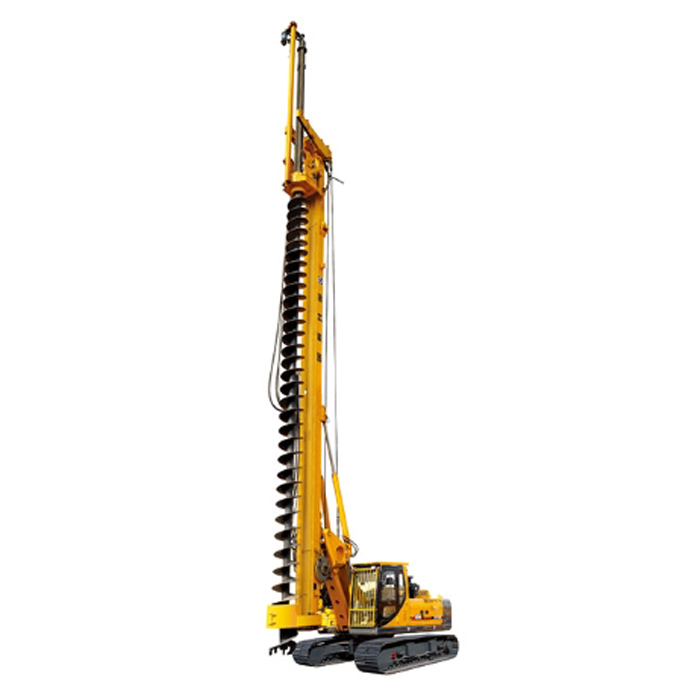
Rotary drilling rigs have pretty much taken over whenever a job needs deep, clean, straight holes bored fast and with almost no mess. Building a skyscraper, putting in bridge piers, or setting piles for offshore wind towers — these machines get it done in ways the old methods just can’t touch. In this post, we’ll go over what they actually do, how the whole thing works, and why most crews now say they won’t start a foundation job without one.
What a Rotary Drilling Rig Really Is
Picture a big crawler-mounted machine that drills deep holes by spinning a long string of pipe with a bit on the end while pumping mud down to bring the dirt back up. That’s a rotary drilling rig in a nutshell. It doesn’t bang or scoop — it just turns steadily with weight and torque.
Most rigs you’ll see out there have these main pieces:
- A tall mast that holds everything straight
- A rotary head that spins and pushes down
- A kelly bar or top-drive that turns the bit
- The bit itself — rock rollers, core barrels, or cleaning buckets
- Mud pumps and tanks to keep the hole open
- A diesel (sometimes electric) engine for power
- A strong winch to handle tools and casing
The crawler tracks let it move easily over soft or bumpy ground without extra mats or cranes.
How the Drilling Actually Happens Step by Step
It looks calm from the cab, but there’s a lot going on below ground.
First the rig parks exactly where the pile needs to go and levels itself. Then the operator lowers the bit and starts spinning. Mud gets pumped down the middle of the pipe, shoots out the bit, cools everything, and carries the cuttings back up the outside of the pipe. As the hole goes deeper, they just add another section of pipe. Once they hit the planned depth, they clean the hole, drop in the rebar cage if it’s a pile, pour concrete from the bottom up, and pull the casing or let the mud out slowly.
That mud is the secret. It keeps the hole from falling in, cools the bit, and lifts every bit of spoil. That’s why these rigs stay perfectly straight even in loose sand or running water.
Main Jobs a Rotary Drilling Rig Can Handle
These machines do things nothing else can do as quickly or cleanly:
- Deep bored piles for buildings and bridges
- Water wells and geothermal holes
- Diaphragm walls and secant walls in cities
- Huge caissons for bridge foundations
- Soil sampling with core barrels
- Ground anchors and micropiles in tight spots
- Marine piling from barges
And since you can swap tools in minutes, the crew never sits around waiting for another machine.
Benefits That Save Real Money and Time
Here’s what contractors keep telling me they love most.
| Benefit | What You Notice on Site | How Much Better Than Old Ways |
| Speed | 30–100 metres a shift in normal soil | Often 3–5 times quicker |
| Depth & Size | 2–3 metre diameter and 80+ metres deep is normal | Almost no limit with longer kelly |
| Hole Stays Open | Mud holds the walls — almost never caves in | Works great in sand and gravel |
| Quiet & Low Shake | You can drill right beside old buildings | No complaints from neighbours |
| Keeps Straight | GPS and sensors hold it within 1:300 | Fewer piles get rejected |
| Cleaner Yard | Spoil goes straight to tanks | Way less mud all over the place |
| One Rig, Many Jobs | Change the bit and keep going | Fewer machines to move and fix |
| Lower Running Cost | Newer ones burn 20–30 % less fuel than ten years ago | Pays itself off faster |
Do the maths on a 300-pile job and you’ll see why crews fight to get a good rotary rig booked.
Places Where These Rigs Really Shine
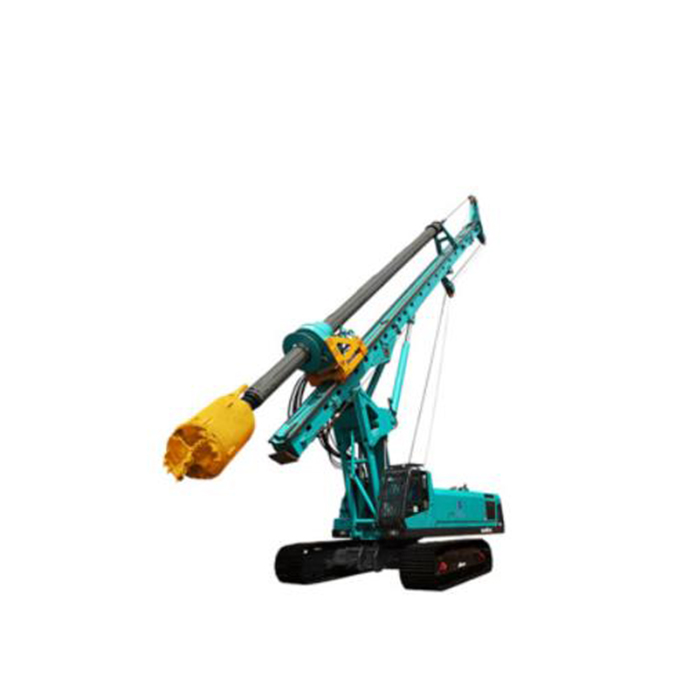
In busy city centres — almost no vibration, so you can work two metres from a historic wall and nobody even notices. On rivers and harbours — barges with rotary rigs place massive piles dead on target in moving water. Wind and solar farms — hundreds of identical piles, all poured the same way, week after week. Rocky or bouldery ground — switch to a rock bit or hammer and keep going without calling another machine. Even rescue jobs — they mobilise fast and can drill at angles for anchors.
MachPlaza – Your Trusted Supplier for Rotary Drilling Rigs
MachPlaza has been shipping Chinese construction equipment to over 80 countries for many years. We keep a full lineup of rotary drilling rigs ready — from compact city machines to the big ones needed for huge projects. Every rig leaves with proper spare parts, English manuals, and proper support. Our people take care of model selection, shipping, customs, and service after delivery. You just drill. Fair prices, quick delivery, and real backup have made us the go-to company for contractors who want gear they can count on day after day.
Wrapping It Up
Rotary drilling rigs aren’t just another option any more. They’ve become the normal way almost every serious foundation gets built. They go deeper, faster, quieter, and with far cleaner than anything we used before. When the ground is tricky, the schedule is tight, or the neighbours are watching, a solid rotary rig saves the day — and usually pays for itself long before the job is signed off.
Frequently Asked Questions
Q: What are the main functions of a rotary drilling rig?
A: The biggest job is making deep, stable holes for cast-in-place piles. But the same machine, with a quick tool change, can also drill water wells, take soil samples, put in anchors, or build cut-off walls.
Q: How deep can a rotary drilling rig really go?
A: Most rigs comfortably hit 60–80 metres every day. Add a taller mast and longer kelly sections and going past 100 metres is normal on large contracts.
Q: Are rotary drilling rigs better for the environment?
A: A lot better. They reuse the mud, make almost no dust, and barely shake the ground. The newest electric and hybrid versions cut exhaust even more, and the whole site stays much tidier than with driven piles or dry augers.
Q: What kind of ground works best with rotary drilling rigs?
A: Pretty much everything — soft clay, loose sand, gravel, cobbles, even rock. Only solid bedrock slows them down a bit, and even then a rock tool on the same rig usually fixes that fast.
Q: How long does it take to train an operator?
A: If they already run piling gear, they’re usually confident in a week or two. Modern cabs have joysticks, auto-vertical systems, and clear screens, so it’s way easier than the old days.
