
Forklift Functions and Benefits for Efficient Material Handling

Industry News

2026/01/29
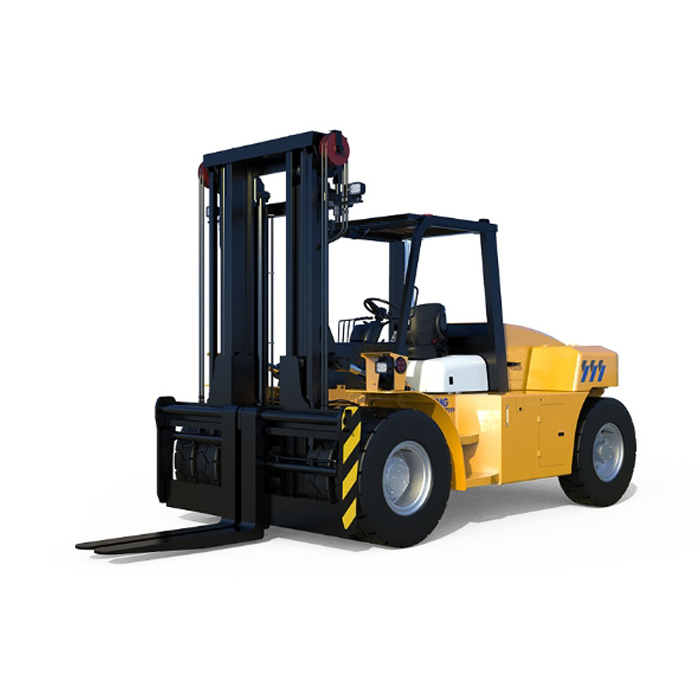
In today’s stuff moving and shipping work, forklifts are must-have for shifting, raising, and placing items fast and without harm. From crowded storage spots and factory areas to building supply yards and shipping hubs, forklifts back up work flows that would need lots of people and hours otherwise. In this piece, the basic jobs and good points of forklifts get looked at closely. It gives a view into how these machines boost speed, safety, room use, and full work results.
What a Forklift Does in Material Handling
A forklift is a made-for-job work vehicle used to raise and shift loads that are too big or heavy for hand work. Its main parts include a base with a post and lifting arms, a power setup (which might be electric or fuel-based), and driver controls that handle path, raise height, and load spot. Forklifts often pair with standard platforms and shelves to allow good storage and get-back tasks.
Moving Heavy Loads with Precision
The main job of a forklift is to raise and carry heavy things from one place to another. This could be filling a truck, setting up new goods, or sorting stock. Forklifts let drivers lift loads up and move them side to side with little trouble. This skill cuts out slow hand raising jobs. And it lowers the chance of body hurts among workers who might try to shift such loads by hand otherwise.
Efficient Loading and Unloading
In shipping spots where goods come and go often, forklift work straight affects flow amount. The build of a forklift—mostly its post and arm holder—lets quick grab of platforms, fast rise to shelf heights, and exact place or get of stuff. This quickness and repeat play a big part in cutting waits at loading spots and in storage paths. There, even tiny blocks can lead to big effects on order fill plans.
Supporting Supply Chain and Logistics
Past daily storage work, forklifts sit in the middle of wider supply line tasks. These include setting products for send-out, shifting goods for season demand changes, and helping cross-spot work where in-coming loads move quick to out-going rides. Their flex makes them key tools in shipping centers where stuff flow must keep going to hit buyer hopes.
Major Advantages of Using Forklifts
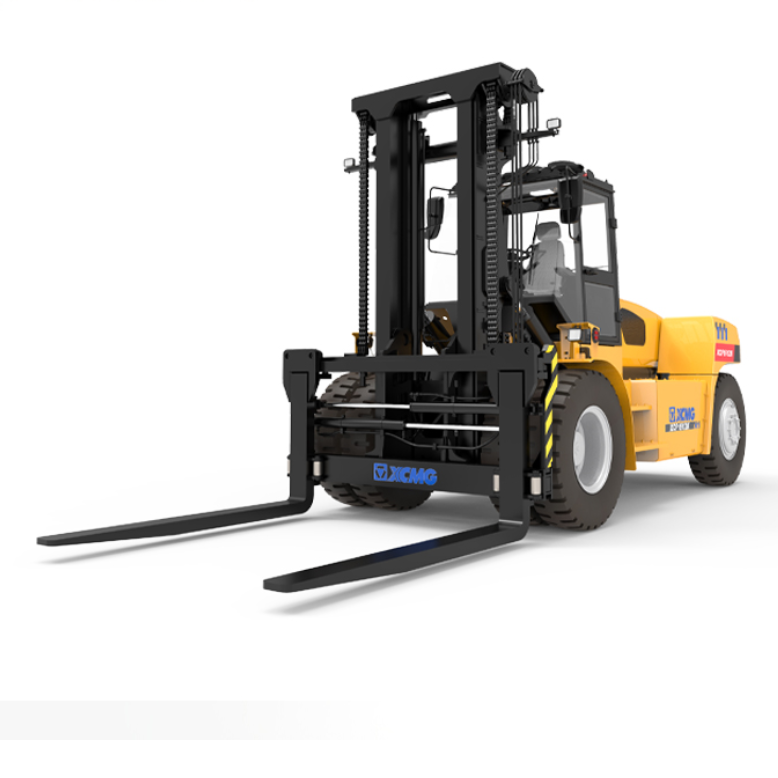
The good points of forklifts spread across speed, cash, space fix, safety, and worker output. These helps cut work drag and add to more steady handling results in daily steps.
Increased Productivity and Efficiency
Forklifts greatly cut the time needed to shift and pile goods next to hand handling. It might take many workers lots of time to raise and carry a single platform. But a forklift can finish that same job in a short bit of time with one driver. This speed boosts flow in storage and making spots, mostly during busy load times when fast goods shift matters a lot.
In real use, this means quicker stock turn and better use of work hours. So groups can handle more orders per shift without big jumps in crew size.
Reduced Labor Requirements and Costs
Since forklifts handle heavy raising, fewer workers are needed for stuff shift jobs. This drop in hand work can lower people costs a lot over time, mostly in places with high amount or big-scale stuff handling needs. Lower work calls also cut training needs for big teams. It centers skills with trained forklift drivers.
Enhanced Safety and Reduced Injuries
Heavy raising is a known risk for job hurts, mostly back and joint pain. Forklifts ease this risk by taking most of the body load shift. This cuts hurts from hand handling. New forklifts also come with safety bits like sounds, steady controls, and guard cages around the driver spot. These add more to job safety.
When mixed with normal fix and right driver training, forklifts help make a safer work spot. They limit chances of mishaps that could come from tiredness or wrong use of hand tools.
Improved Space Utilization
Forklifts boost storage tightness by letting up stacking of goods. With the skill to raise platforms to high shelf spots, storage spots can use overhead room well. That room would stay out of reach to hand handlers otherwise. This up storage skill greatly boosts hold amount in the same floor space. It cuts the need for costly building grows.
Close set shelf systems paired with good forklift run also better pick rightness. And they cut the time drivers spend finding and getting items. This adds to smoother stock control.
Precision Handling and Reduced Product Damage
Forklifts give controlled shift and exact place that hand work can’t match steady. This could be going through slim paths or putting goods on high shelves. Drivers can set loads with care to cut hits and shifts that could harm products. This exactness lowers losses from broken stock. And it backs full quality control in handling steps.
Versatility Across Industries
Forklifts meet wide field needs past normal storage. They get used in making plants to feed build lines. In building yards, they handle big build stuff. In farm work, they shift feed and gear. And in reuse spots, they carry bins and packs of stuff. Their flex makes them a main help in spots where stuff weight and shift call for machine back.
Introducing MachPlaza as a Forklift Supplier
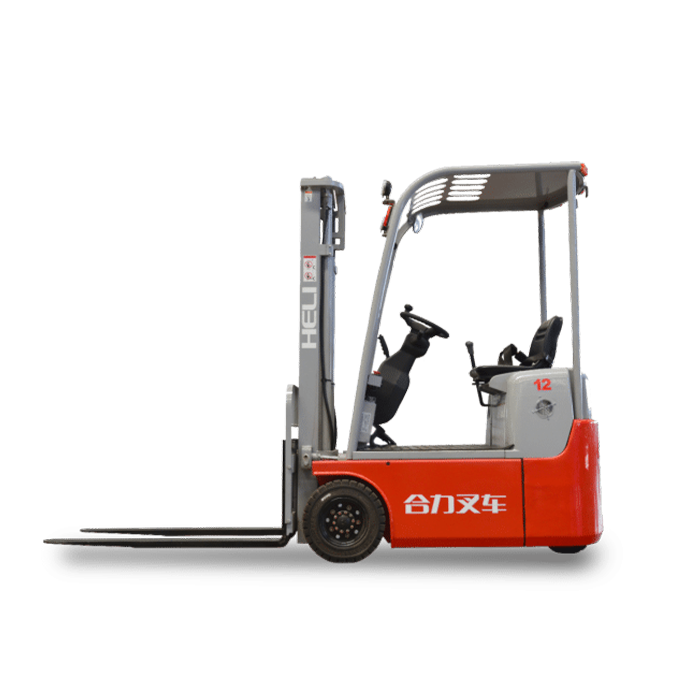
MachPlaza sets itself as a trusty seller of forklifts and linked stuff handling machines. With a full product set made for world shipping and work needs, the firm gives gear fit for varied uses—from inside storage to outside loading work. MachPlaza stresses steady quality, quick help, and fair buy terms that aid buyers match their gear spends with work calls. By using broad send-out know-how and world move nets, MachPlaza backs on-time give and tech tips that add to good stuff handling setups.
Conclusion: Maximizing Operational Performance with Forklifts
Forklifts are more than raising machines. They are output boosters that back the base of today’s stuff handling work. Their skill to shift heavy loads quick, better safety results, use up storage, and cut work costs makes them must-have in shipping, storage, making, and more. Right picked and run forklifts better work flow keep, cut handling slips, and add to stronger work toughness. For groups looking to keep rival lead times and work flex, knowing the jobs and good points of forklifts is key to shaping good stuff handling plans.
Frequently Asked Questions
What are the main functions of a forklift in a warehouse?
A forklift lifts heavy pallets, moves material across the facility, helps stack inventory on racks, and supports loading and unloading at docks. This enhances overall workflow efficiency.
How do forklifts improve workplace safety?
Forklifts reduce manual lifting injuries. They include protective features like alarms and guards. And when combined with training, they lower the risk of accidents during material movement.
Why does using a forklift reduce labor costs?
Because a forklift can perform heavy lifting tasks that would otherwise require multiple workers. So fewer employees are needed for material handling. This reduces labor expenses.
Can forklifts help increase storage capacity?
Yes, forklifts enable vertical stacking of goods on high racks. This increases storage density without expanding the warehouse footprint.
What types of operations benefit most from forklift use?
Warehousing, logistics, manufacturing, construction, agriculture, and recycling operations all benefit from faster material movement and flexible load handling provided by forklifts.
