
Exploring Common Types of Cranes and Their Uses in the Construction Industry

Industry News

2026/03/26
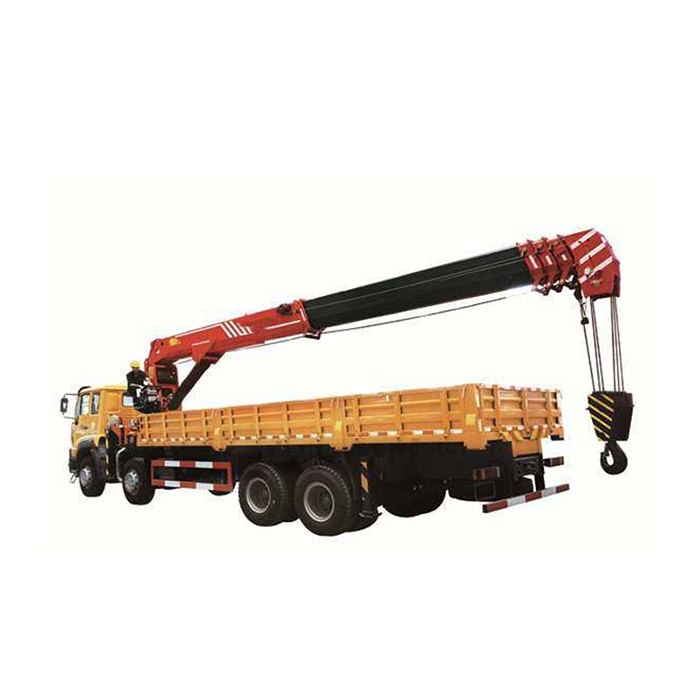
Cranes play a big role in many building and lifting jobs. With so many kinds and models out there, picking the right one for a task can feel tough. This piece will cover some popular cranes used today: truck cranes, all-terrain cranes, truck-mounted cranes, rough-terrain cranes, crawler cranes, and tower cranes. We will look at their traits, plus points, and top uses for each. Plus, we will share tips on how to pick the best crane for your work. At the end, we will touch on MachPlaza as a solid crane seller.
What is a Crane and Why is It Important in Construction?
A crane is a big tool that lifts, drops, and shifts heavy stuff from one spot to another. In building work, they help a lot with jobs like putting up structures, raising big machines, and moving large building items. Cranes come in handy when the work needs to lift things that are too heavy or odd-shaped for people to handle by hand. Different kinds of cranes fit certain grounds, load sizes, and work spots.
To understand why cranes matter, think about how they make jobs safer and faster. Without them, workers might risk harm trying to move big loads alone. Cranes cut down on that danger and speed things up.
Truck Cranes: Versatility on the Road
Truck cranes rank as one of the handiest types in the building field. These cranes sit on trucks, which lets them move around easily. They work well for building tasks that need the crane to shift fast from place to place, especially in city spots or road fixes.
Key Features:
- Mobility: Fixed on a truck, truck cranes can drive straight to the job area.
- Lifting Capacity: Truck cranes usually handle big loads, so they fit large building works.
- Versatility: They come with a boom that stretches out to hit higher spots.
Truck cranes often show up in road jobs, structure building, and heavy raising tasks. Their skill to hop between sites makes them a favorite for works that need quick changes.
This type shines when time is short and moves are frequent. For example, in busy towns, they can weave through traffic without much hassle.
All-Terrain Cranes: Combining Flexibility with Power
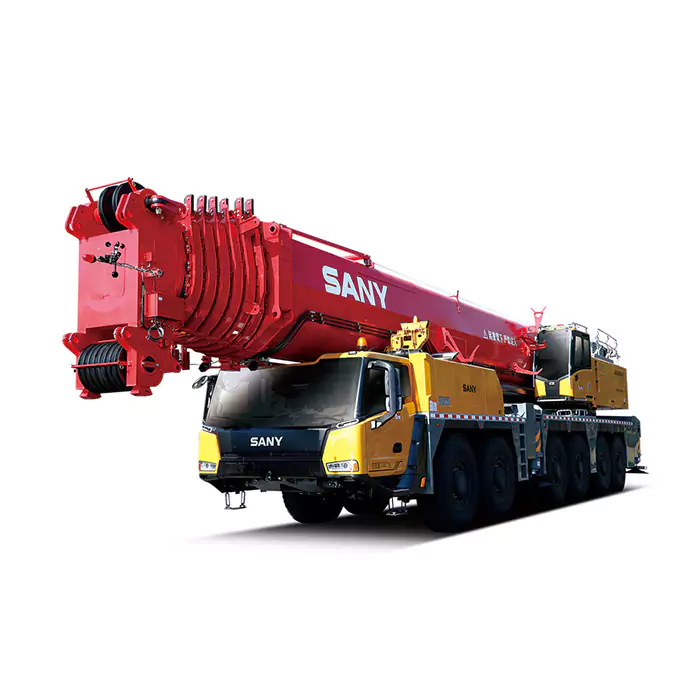
All-terrain cranes handle both rough paths and smooth roads in building jobs. Like the name says, these cranes work on many kinds of grounds, so they suit tasks that need to move over hard spots, like build sites in far or bumpy places.
Key Features:
- All-Terrain Mobility: With big tires and a strong setup under them, they handle bumpy grounds without trouble.
- High Lifting Capacity: All-terrain cranes give solid raising power, often for tough lifting works.
- Road Travel Capability: These cranes can drive on main roads, so no need for a big haul to move them.
The mix of rough-ground skills and road fitness makes all-terrain cranes a prime pick for big builds in tricky spots, like oil setups and road networks.
They bridge the gap between city and wild areas. If a job jumps from flat streets to hilly fields, this crane keeps up without slowing down.
Truck-Mounted Cranes: Compact and Convenient
Truck-mounted cranes look a bit like truck cranes, but they have smaller builds for tinier and more exact lifting jobs. These cranes fit well for works where room is tight or the crane must run in cramped spots. The crane mounts on a normal truck, which makes hauling easy.
Key Features:
- Compact Design: Simpler to steer and squeeze into small areas.
- Flexible Operation: Good for raising in narrow or busy places.
- Affordable: Truck-mounted cranes cost less than bigger ones, so they save money for smaller tasks.
They often appear in home builds, fix-up jobs, and road works where exact moves and easy shifts matter.
In tight city yards or small lots, they prove their worth. Workers can park them close and get to work fast.
Rough-Terrain Cranes: Built for Tough Conditions
Rough-terrain cranes aim to work on bumpy, dirt paths. They have big, tough wheels and a strong base to give steady grip on hard grounds. These cranes pop up a lot for build jobs in country spots or less built-up zones where regular cranes might fail.
Key Features:
- Heavy Duty Tires: Made for uneven paths, they offer good hold and balance.
- Compact and Agile: They slip through tight spots and hurdles better than some others.
- High Lifting Power: Even with their small size, rough-terrain cranes pack strong raising might for many build uses.
These cranes suit tasks like setting up roads in far areas, oil site builds, and jobs needing heavy raises on bumpy land.
When the ground gets messy with mud or rocks, they stay firm. This keeps the work going without slips or tips.
Crawler Cranes: Stability and Power for Large Projects
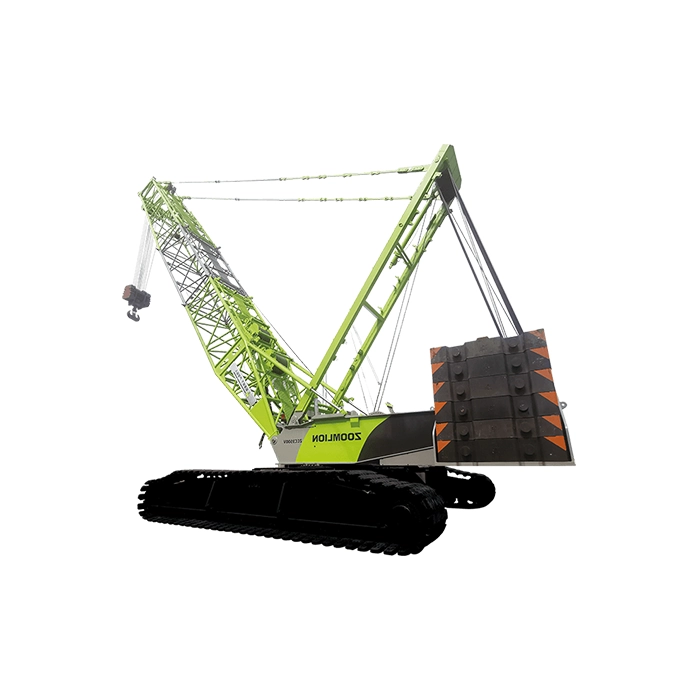
Crawler cranes use tracks rather than wheels, which makes them great for raising very heavy stuff in spots with soft or lumpy dirt. Their tracks let them roll over rough lands without losing balance. These cranes usually handle big, long-haul build jobs that need both raising might and movement.
Key Features:
- Exceptional Stability: The tracks spread out support wide, stopping the crane from flipping under big loads.
- Heavy Lifting Capacity: Crawler cranes manage super heavy tasks, so they fit huge works.
- On-Site Mobility: Slower than wheel types, but crawler cranes handle wild paths and tough lands well.
Crawler cranes often work on big builds like bridges, tall towers, and power spots, where their raising power and steadiness count most.
For jobs that last months or years, they provide the backbone. Their setup ensures safety even with massive weights swinging high.
Tower Cranes: Reaching New Heights
Tower cranes stay put and often help with tall building works. They aim to raise heavy stuff way up high and show up at big build sites like tower rises. Tower cranes fix to a concrete spot and spin to cover wide areas.
Key Features:
- Height and Reach: Tower cranes hit tall spots, which makes them key for high builds.
- Precision Lifting: Their strong raising and exact control suit handling big stuff up top.
- Stationary Design: Tower cranes lack wheels; they get built on site and stay during the job.
Tower cranes prove vital for raising tall spots, like homes and work buildings, plus big road setups.
In the skyline of growing cities, they stand out. Without them, stacking floors high would take forever or risk lives.
Meet MachPlaza
As a trusted crane supplier, MachPlaza can offer many different brands of cranes to adapt to different construction work. Whether you’re handling a massive infrastructure project like a huge road setup or managing a smaller-scale build such as a residential site, MachPlaza provides reliable, high-quality cranes that ensure your operations run smoothly and efficiently.
Before selecting a suitable crane, think about your site’s needs first. Talk to our experts if unsure. This way, you avoid costly mix-ups and boost safety. By partnering with MachPlaza, you gain not just equipment, but a committed ally in achieving project success.
Conclusion: Choosing the Right Crane for Your Project
Picking the best crane for your job hinges on things like the ground, raising needs, and move demands. Knowing how truck cranes, all-terrain cranes, truck-mounted cranes, rough-terrain cranes, crawler cranes, and tower cranes differ helps you grab the top tool for the task.
Frequently Asked Questions (FAQs)
1. What is the difference between a truck crane and an all-terrain crane?
Truck cranes sit on trucks for simple moves, but all-terrain cranes handle bumpy lands and flat roads, giving more wiggle room for builds in hard spots.
2. Are rough-terrain cranes suitable for all construction projects?
Rough-terrain cranes work best for lifts on lumpy or dirt paths. They fall short on smooth, hard spots where other cranes might do better and quicker.
3. Why are crawler cranes preferred for heavy-duty projects?
Crawler cranes give top balance and raising strength, making them spot-on for big works like bridges or tall towers. Their tracks spread weight even, avoiding flips and keeping runs safe on soft or bumpy dirt.
4. Can truck-mounted cranes be used in small spaces?
Yes, truck-mounted cranes stay small and easy to guide, so they fit tight jobs like home builds or fix-ups.
5. How do tower cranes contribute to skyscraper construction?
Tower cranes give the tall reach and span needed to raise heavy stuff way up. Their exactness and strength make them must-haves for stacking tall spots like skyscrapers.
