
Excavator Maintenance Tips: Keep Your Digging Power Strong

Industry News

2025/10/24

Excavators chew through dirt like champs, but they need care to stay tough. If you’re running a construction crew or handling site work, skipping upkeep can lead to breakdowns that halt everything. Good habits stretch machine life and cut headaches. This guide shares solid excavator maintenance tips tailored for folks like you—busy operators wanting reliable gear. We’ll cover daily routines, deeper checks, and ways to spot trouble early. Stick to these, and your excavator becomes a trusty partner, boosting your job site’s flow and your rep for getting things done right.
Why Regular Upkeep Pays Off
Think of your excavator as the heart of the site. It digs foundations, loads trucks, and shapes land. Neglect it, and small issues grow big. Regular care keeps it humming, saving you from costly fixes. Sites run smoother when machines don’t quit mid-shift.
Downtime kills profits. A stuck boom or leaky hose can idle a whole team. With smart habits, you dodge that. Your business looks pro—clients see dependable work. On a personal level, it builds your name as someone who handles gear well. Crews trust you more.
Cutting Down on Repair Bills
Fixes add up fast. A worn pin might cost little to swap early, but ignore it and the arm suffers. Check often, and you catch problems cheap. Fluids clean? Tracks tight? These steps add years to parts. One site manager shared how weekly looks saved him thousands—simple stuff like greasing joints prevented major wear.
Short bursts of care beat long shutdowns. It’s practical. Your wallet thanks you.
Boosting Safety on the Job
Safe machines mean safe people. Loose tracks slip; dirty filters choke engines. Good upkeep spots hazards before they bite. Operators feel secure knowing the excavator won’t buck unexpectedly.
Regulations push this too. Inspectors check for leaks or cracks. Pass easy with routines in place. It lifts your brand—safe sites attract better talent and jobs.
Daily Habits for Peak Performance
Start each day right. Quick walks around catch issues fresh. It takes minutes but saves hours later. Focus on key spots like the cab, boom, and ground gear.
Operators, make this your ritual. Wipe windows for clear views. Test lights and horns. These basics set a safe tone.
Checking Fluid Levels
Fluids are lifeblood. Low oil starves the engine; dirty coolant overheats it. Pop the caps daily. Look for levels and color—milky means water mixed in, bad news.
Top off with the right stuff. Wrong type gums things up. A quick dipstick check keeps everything flowing smooth.
Inspecting Tracks and Undercarriage
Tracks take the beating. Loose ones throw off balance; tight ones strain motors. Walk the length, eyeing for cuts or missing bolts.
Clear mud buildup. It hides damage and adds weight. Hose off after shifts. Strong undercarriage means steady digs, no wobbles.
Testing Controls and Hydraulics
Sit in the cab. Work the levers—smooth? Jerky means air in lines or low fluid. Listen for odd noises.
Bleed lines if needed. It purges bubbles, keeps responses quick. Your digs stay precise.
Weekly Routines to Dig Deeper
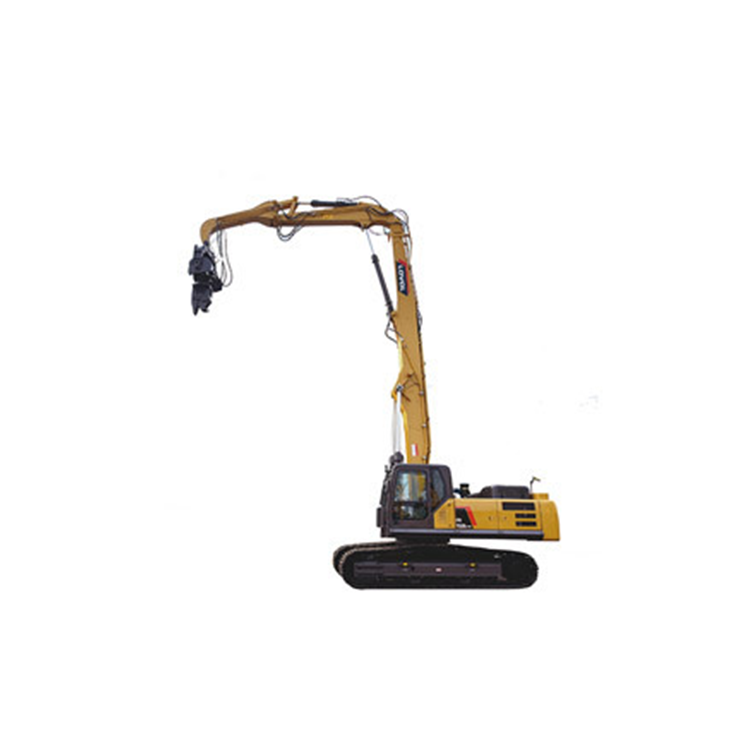
Weekends or slow days? Dive into weekly tasks. These go beyond surface stuff, hitting grease points and filters.
Schedule it. Mark calendars. Consistent crews see less trouble.
Greasing Joints and Pins
Dry joints grind down fast. Hit every pivot with grease—boom, bucket, swing. Pump until it oozes out clean.
Too much? Wipes off easy. Too little wears metal. Greased parts move free, last longer.
Cleaning Air and Fuel Filters
Dust chokes engines. Pull filters, tap out dirt. Clogged? Swap them. Clean ones breathe better, burn fuel right.
Fuel filters trap water too. Drain bowls weekly. Pure fuel means strong runs, no sputters.
Checking Battery and Electrics
Batteries fade in heat or cold. Clean terminals; tight connections prevent starts that fail.
Test charge. Low? Recharge. Lights dim? Wires frayed. Fix small to avoid big stalls.
Monthly Deep Dives for Longevity
Once a month, go thorough. Pull covers, inspect belts, hoses. It’s like a health checkup for your machine.
Log findings. Notes track patterns—early warnings.
Examining Hoses and Belts
Hoses crack with age. Squeeze for soft spots; look for bulges. Leaks stain ground, signal swaps.
Belts loosen. Tighten or replace if frayed. They drive fans, alternators—vital for cool runs.
Undercarriage Wear Assessment
Measure track sag. Too much play? Adjust tension. Check rollers, idlers for flat spots.
Worn sprockets chew chains. Spot early, save on full replacements. Steady undercarriage handles rough ground better.
Engine and Cooling System Flush
Flush coolant if murky. Fresh mix fights rust, keeps temps down.
Oil change? Follow hours run. Dirty oil sludges internals. Clean engine purrs through jobs.
Common Pitfalls and How to Dodge Them
Even pros slip. Overlooking small leaks turns into floods. Or skipping logs—memory fades.
Stay sharp. Train new hands on basics.
Ignoring Warning Lights
Dash lights flash for reason. Low pressure? Stop and check. Ignore, and seizures happen.
Reset only after fixes. It’s your machine talking—listen.
Skimping on Quality Parts
Cheap filters clog quick. Stick to good ones. They filter better, last more shifts.
Same for oils. Right viscosity flows proper. Your excavator runs cooler, stronger.
Forgetting Seasonal Prep
Winter? Antifreeze strong. Summer? Extra cooling checks.
Adjust for weather. It prevents cracks or overheats.
Tools and Supplies for Easy Upkeep
Stock basics. Grease gun, wrenches, rags. Keep a kit handy.
Track wear gauge? Measures precise. Fluid testers check purity.
Essential Kit Items
- Grease cartridges
- Filter wrenches
- Drain pans
- Safety gloves
These make tasks quick, clean.
When to Call Pros
Some jobs need experts. Weld cracks? Shop time. They have lifts, tools.
Build ties with service teams. Quick help when stuck.
Real Wins from Solid Habits
Site bosses share stories. One crew cut breakdowns 40% with daily logs. Another stretched machine life five years.
It’s proof. Good care builds reliable ops. Your brand grows—jobs come steady.
Table of Maintenance Schedule:
| Task | Frequency | Why It Matters |
| Fluid Checks | Daily | Prevents dry runs, overheating |
| Grease Joints | Weekly | Reduces wear on moving parts |
| Filter Clean | Weekly | Keeps air, fuel pure |
| Hose Inspect | Monthly | Spots leaks early |
| Full Flush | Monthly | Clears buildup, extends life |
Follow this, adapt to your hours.
Spotlight on MachPlaza: Your Excavator Supplier
Sourcing excavators? MachPlaza stands out as a key exporter of construction gear, including sturdy excavators ready for tough digs. They handle full machines, parts, and add-ons from top Chinese lines. Their team delivers sharp service, fair prices, and quick ships worldwide. With a wide net of suppliers, they tailor fits to your site needs. It’s all about lasting ties—full support from start to finish. If excavators are your next buy, they’re a solid pick for gear that holds up.
Conclusion
These excavator maintenance tips aren’t just chores—they’re investments in smooth runs and strong reps. Daily peeks, weekly greases, monthly dives add up to fewer stops and more digs. Your site thrives; your name shines. Grab that grease gun today. Small steps lead to big wins.
Frequently Asked Questions (FAQs)
What are the top excavator maintenance tips for new operators?
Start simple. Check fluids daily, grease weekly. These excavator maintenance tips build habits that keep machines steady and safe.
How often should I follow excavator maintenance tips for tracks?
Weekly inspections work best. Among excavator maintenance tips, track tension checks prevent slips and extend wear life.
Can excavator maintenance tips save on fuel?
Yes. Clean filters and right fluids cut waste. Key excavator maintenance tips like these keep engines efficient.
What excavator maintenance tips help in cold weather?
Prep antifreeze, check batteries. These excavator maintenance tips dodge freezes and ensure starts.
Do excavator maintenance tips affect resale value?
Absolutely. Logs show care. Buyers pay more for machines with solid excavator maintenance tips followed.
