
Everything You Need To Know About Pavers

Industry News

2025/11/27
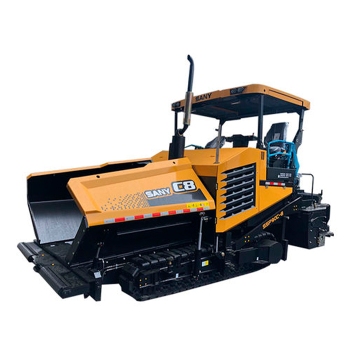
Have you ever gone down a flat road? You might wonder what keeps it so smooth. Pavers help a lot with that. These machines put down asphalt or concrete. They make strong surfaces. If you work in building roads or just want to know about big machines, this post tells you all. We look at what pavers do and why they help your work. Keep reading for tips on picking one and taking care of it.
What Are Pavers?
Pavers are big machines for road work. They spread and press materials like asphalt or concrete. This makes flat, tough areas. They form the base of any paving task. Without them, roads would take too long to build. And they would not be exact.
Definition and Basic Function
In short, pavers grab loose stuff from a truck. Then they lay it out even. They have a bin to hold the mix. A belt moves it to a part that flattens it. This goes on as the machine rolls ahead. It creates a clean layer. The idea is basic. But it has lots of tools to fit different tasks.
Pavers show up in many sizes. Some are tiny for small spots like driveways. Others are huge for big roads. They can change settings quick. Drivers adjust depth or span as they go. So they work for streets in town or runways at airports.
Types of Pavers
Pavers differ by what they use and where. Pick the right kind for your job.
Asphalt Pavers
These handle hot asphalt mix. They warm it to stay soft. Then they place it neat. Asphalt pavers do well when time is short, like fixing busy paths. They make a bendy top that takes cars fine.
A main part is the screw setup. It pushes asphalt side to side before pressing. This stops clumps. It gives a steady end. For highways or lots, this kind gets things done fast.
Concrete Pavers
Concrete pavers shape wet mix without molds. This cuts time. They fit hard tops like bridges or strong paths. The machine shakes the stuff to get out bubbles. So the result stays solid.
They add bars for joints often. This makes edges stronger. For big jobs like main roads, concrete pavers last longer than asphalt sometimes.
How Do Pavers Work?
Get how pavers run. It clears up their place in building. It’s more than dropping stuff. Parts team up.
Key Components
Each paver has main bits that join forces. Check this list:
- Hopper: Keeps fresh mix from trucks. It holds a constant feed.
- Conveyor System: Carries mix from front to back. Straps or links do the job.
- Augers: Push mix out wide for balance.
- Screed: The key player. It smooths and packs the coat, sets height and tilt.
- Engine and Tracks: Give drive and movement. Tracks grip rough dirt.
| Component | Function | Why It Matters |
| Hopper | Holds mix | Stops breaks in supply |
| Conveyor | Moves stuff | Keeps flow steady |
| Screed | Flattens top | Makes smooth, lasting end |
These pieces keep pavers trusty. When they match, work goes easy.
The Paving Process
It starts with ready ground. Clear space, level base. Next, paver comes in.
- Fill bin with mix from truck.
- Belt sends it to screws.
- Screws spread it broad.
- Screed levels and packs while moving.
- Rollers come after to finish.
It’s direct. But watch the clock. Mix needs right heat. If cold, it sticks bad. Drivers check dials close. A solid run covers far in one day.
Benefits of Using Pavers in Construction
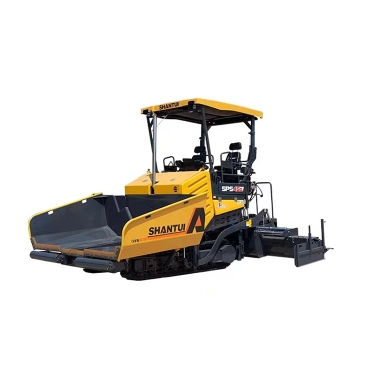
Pavers do more than work. They lift your whole setup. They cut time, save cash, and boost ends.
Efficiency and Speed
Hand paving? No way. Pavers do the spread on their own. So teams wrap up quick. This means less wait on spots. For builders, it lets more tasks per year.
They take big loads without tire. On a main road, one paver lays lots per hour. That pace holds plans tight. And keeps folks pleased.
Quality of Finish
Exact work is a plus. Pavers make even coats. This drops holes and breaks later. Roads last more.
Gauges keep level and slant. No more guess. The outcome? Tops that fight rain and use.
Cost Savings
At first, pavers cost much. But they return value. Less waste of stuff, fewer fixes ahead. Models that save fuel drop run bills too.
Look far. A good road needs little care. That spares money for all.
Choosing the Right Paver for Your Project
Select a paver smart. Fit it to what you need for top work.
Factors to Consider
Scale counts. Small tasks want tight machines. Large ones need strong ones.
- Ground: Tracks for bumpy, wheels for flat.
- Stuff: Asphalt or concrete? Pick right.
- Job Size: How wide to cover sets machine fit.
- Cash: Weigh extras against what you pay.
Think these to skip wrong picks. Bad match drags you.
Maintenance Tips
Hold your paver good. Steady looks stop stops.
- Wipe each day: Clear junk from screed and screws.
- See liquids: Oil, lines—top them.
- Check paths: Spot rub.
- Plan checks: Stick to guide.
Easy ways stretch use. A cared paver works sure. It builds your name as good.
MachPlaza as Your Paver Supplier
For getting pavers, MachPlaza shines. We send out building machines from China. We have many in road tools group. Our crew aims for good stuff, right costs, and fast send. We link with sellers to shape fits for you. For local paths or world jobs, we back you all way. Click https://www.machplaza.com/ for own help.
Conclusion
Pavers change building games. They bring pace, good ends, and spares that raise tasks. Know their kinds, runs, and pluses. You choose better. This info not just speeds you. It grows your mark as steady in field. Set to roll ahead?
FAQs
What is everything I need to know about choosing a paver for my first project?
Begin with task scale and stuff kind. For new folks, go for easy ones with simple handles. Look for changeable screeds. Try on like ground to check fit.
How does a paver improve road quality?
A paver spreads stuff even. This cuts cracks and holes. It packs tight for strength. So roads hold under lots of cars.
What maintenance tips cover everything for keeping a paver in good shape?
Clean each day to drop dirt. Look at lines and paths often. Change oil on time and swap parts. This holds stops low and run high.
Is everything about pavers focused on asphalt, or do they handle other materials?
Pavers take asphalt and concrete. Asphalt ones for bendy tops, concrete for hard like bridges. Choose by task.
How can I learn everything about paver safety on site?
Teach drivers on buttons and signs. Wear safe gear. Hold others away. Steady checks find troubles early. This stops mishaps. Safety grows faith in group.
