
Everything You Need To Know About Crawler Cranes

Industry News

2026/01/08

Construction sites demand equipment that handles tough jobs without missing a beat. Crawler cranes stand out for their strength and versatility. This guide breaks down the basics, from how they work to real-world uses, helping you see why they fit so many projects.
Understanding the Basics of Crawler Cranes
Begin with the main thought. A crawler crane rolls on tracks, not tires. These tracks spread the load over a big spot. They keep the unit firm on loose or bumpy dirt. Think of a bridge job over wet ground. The tracks stop it from going down. So, the crane raises beams without trouble.
Tracks also help with getting around. Unlike ones on trucks, crawler cranes creep over rough land. They do not need paths. This fits far-off places or busy city spots with little room.
Moving from the simple stuff, let’s check what runs these units inside.
Key Components and How They Function
Each crawler crane counts on some chief parts teaming up. The boom, often a grid kind, stretches to grab high or distant things. It changes for various raises. It deals with weights from some tons to many hundreds.
The base holds the tracks. They run on fluid power or motors. This gives pull for easy shifts. Weights in back balance the front load. They stop flips during big hauls.
Drivers run it all from a booth with sticks and screens. Safety bits like weight alerts warn of too much. On a wind power setup, the boom could reach 200 feet. It sets turbine bits right on spot.
Going further, these parts link to how well they do in real use.
Lifting Capacity and Stability Factors
Crawler crane lifting capacity differs. Many take 50 to 500 tons. Firmness comes from the broad track spread—up to 30 feet wide on big ones. This low balance point works great on hills or soft earth.
Guides show safe raises. They count boom span and tilt. For instance, at 60 degrees, power might fall 20% from straight up. Wind matters too. Blows over 20 mph usually stop work to cut swing.
Advantages of Using Crawler Cranes in Construction
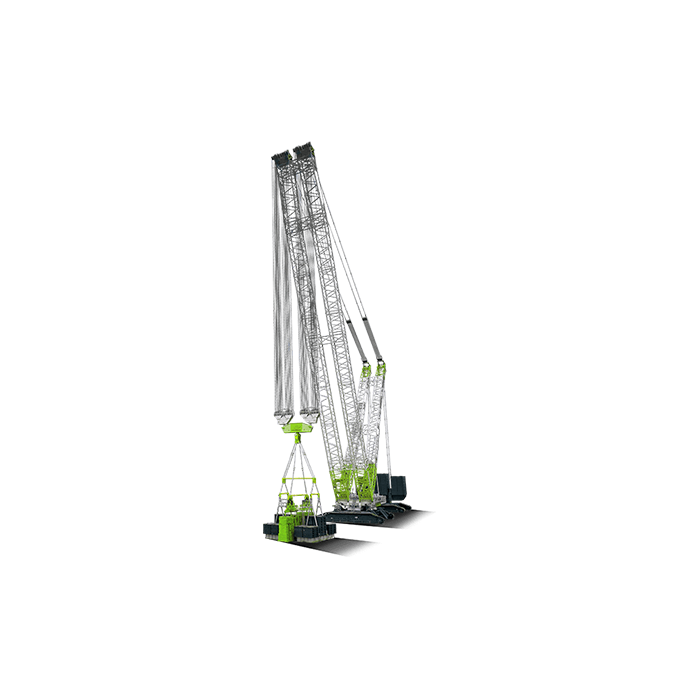
Why pick a crawler crane over other types? Mobility without setup time is key. They arrive, assemble quickly, and start work. No outriggers needed like with mobile cranes, saving hours on site.
Durability stands out. Tracks grip mud or gravel, reducing slips. In mining ops, they move ore piles steadily, even in rain. Plus, they lift while moving, unlike fixed tower cranes.
But advantages shine brightest when matched to specific tasks. Let’s explore where they excel.
Common Applications Across Industries
Crawler cranes tackle diverse jobs. In building high-rises, they hoist steel frames floor by floor. Oil rigs use them for module installs offshore, where waves demand rock-solid footing.
Infrastructure like dams or highways benefits too. They place concrete segments accurately, speeding up timelines. In demolition, attachments like wrecking balls clear sites efficiently.
A table below compares applications:
| Industry | Typical Use | Benefit Highlighted |
| Construction | Lifting beams and materials | High reach on uneven ground |
| Mining | Moving heavy ore | Strong traction in rough areas |
| Energy | Installing turbines | Stability for precise placement |
| Infrastructure | Bridge segment assembly | Mobility without road damage |
This versatility builds reputations for reliability in demanding fields.
Shifting focus, running these machines right keeps projects on track and safe.
Operating a Crawler Crane Safely
Safety starts with training. Operators need certification, covering signals and load charts. Daily checks spot issues like track wear or hydraulic leaks early.
On site, ground prep matters. Compact soil or use mats to avoid shifts. Rigging—slings and hooks—must match the load. A 100-ton lift gone wrong can halt work for days.
Weather watch is crucial. Rain softens ground, cutting stability by 15-20%. Night ops add lights and spotters. Following these steps cuts accident rates sharply.
Beyond operation, upkeep ensures long-term performance.
Maintenance Tips for Longevity
Regular care pays off. Lubricate tracks weekly to cut friction. Inspect booms for cracks after every major lift.
Hydraulics need fluid changes every 500 hours. Engines run cleaner with timely filter swaps, boosting fuel efficiency by 5-10%. Track tension adjustments prevent uneven wear.
In cold climates, warm-ups avoid seal breaks. Logs track hours, flagging parts near end-of-life. This approach extends machine life to 20 years or more.
Comparing to alternatives highlights why crawler cranes often win out.
Crawler Crane vs. Other Crane Types
Crawler crane vs mobile crane boils down to terrain. Mobiles need firm roads, while crawlers handle mud or hills. But crawlers disassemble for transport, adding setup time.
Tower cranes fix in place for tall builds, offering height but no mobility. Crawler cranes move freely, suiting phased projects.
Costs factor in too. Rentals run $5,000-$20,000 weekly, depending on size. Ownership hits $120,000+, but resale holds value.
For detailed comparisons, check resources like this product overview.
Now, consider how these machines boost business standing.
Building Brand Strength with Reliable Equipment
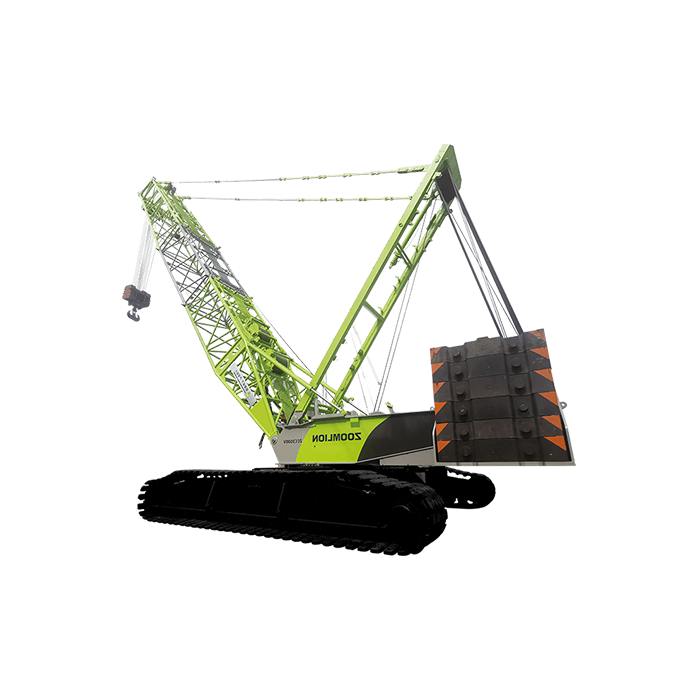
Solid gear like crawler cranes signals professionalism. Clients trust firms that deliver on time, without breakdowns. Word spreads in industry circles, landing more bids.
Personal branding for operators grows too. Skilled handling of crawler crane operation earns respect, opening doors to bigger roles. Firms highlight safe, efficient work in portfolios, drawing talent and partners.
Explore more on equipment reliability at our main site.
As we wrap up core insights, let’s introduce a key player in the field.
MachPlaza serves as a trusted supplier of crawler cranes and related machinery. With a focus on quality exports, they cover full services from parts to delivery. Learn about their approach here.
Conclusion
Crawler cranes deliver power and stability where it counts, from urban builds to remote digs. Picking the right one streamlines work and cuts risks. Armed with this knowledge, you’re set to make smart choices on your next project.
FAQs
What makes a crawler crane suitable for rough terrain?
The tracks provide even weight distribution, preventing sinks in soft soil. This setup, detailed in our crawler crane category, ensures steady lifts without extra supports.
How do I determine the right crawler crane lifting capacity for my job?
Review load charts based on boom length and site conditions. For heavy picks, factor in a 20% safety margin to handle unexpected shifts.
What are key maintenance steps for crawler cranes?
Focus on track lubrication and hydraulic checks. Regular inspections spot wear early, extending uptime.
Can crawler cranes be used in urban construction?
Yes, their compact turn radius fits tight spaces. They lift materials without damaging pavements, ideal for city sites.
How does crawler crane operation differ from other cranes?
Controls emphasize track movement for positioning. Training covers load balancing, unique to their design.
