
Electric vs Diesel Forklift | Which Is Right for Your Business?

Industry News

2026/07/02
Picking the right forklift for your warehouse or job site is not as simple as it looks. You walk into a dealer lot and see rows of machines. Some run on diesel. Some plug into the wall. Both lift pallets. Both move goods. But the wrong choice costs you money every single day. Fuel bills stack up. Maintenance drains your budget. And some forklifts are not even allowed indoors. This guide breaks down the real differences between electric and diesel forklifts. By the end, you will know which one fits your operation and your wallet.
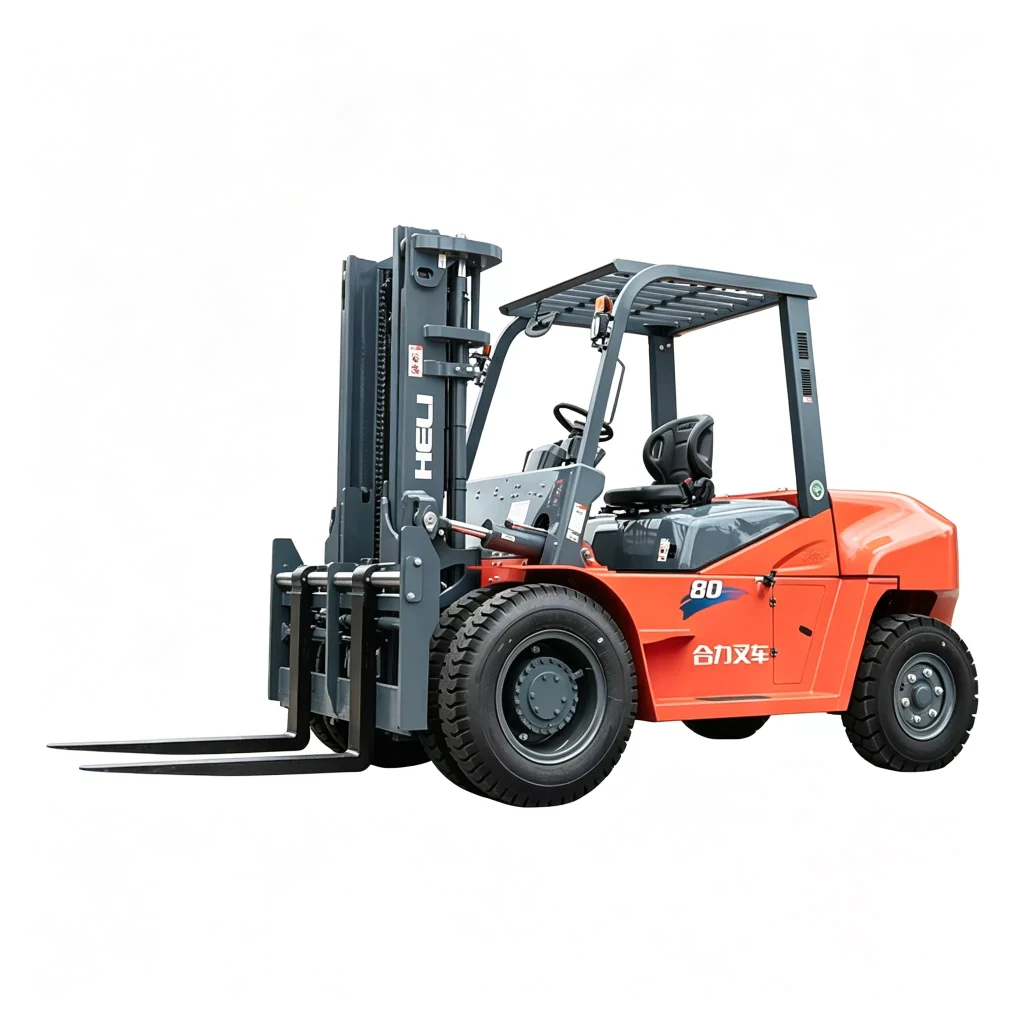 What Sets Them Apart
Power Source
A diesel forklift burns fuel in an internal combustion engine. It works like a small truck. You fill the tank, start the motor, and drive. An electric forklift runs on a battery pack. You charge it overnight and run it during the shift. No fuel tank. No exhaust pipe. Just a big battery and an electric motor.
Where You Can Use Them
Diesel machines pump out fumes. That means they belong outside or in very open spaces. Warehouses with poor air flow ban them. Electric forklifts make no exhaust. You can run them inside closed buildings all day long. Food storage, pharma plants, and retail back rooms all prefer electric for this reason.
Noise Levels
Diesel engines are loud. Workers wear ear protection. Communication on the floor gets hard. Electric motors hum quietly. You can talk next to one without shouting. That quiet run helps in tight spaces where spotters and drivers need to hear each other.
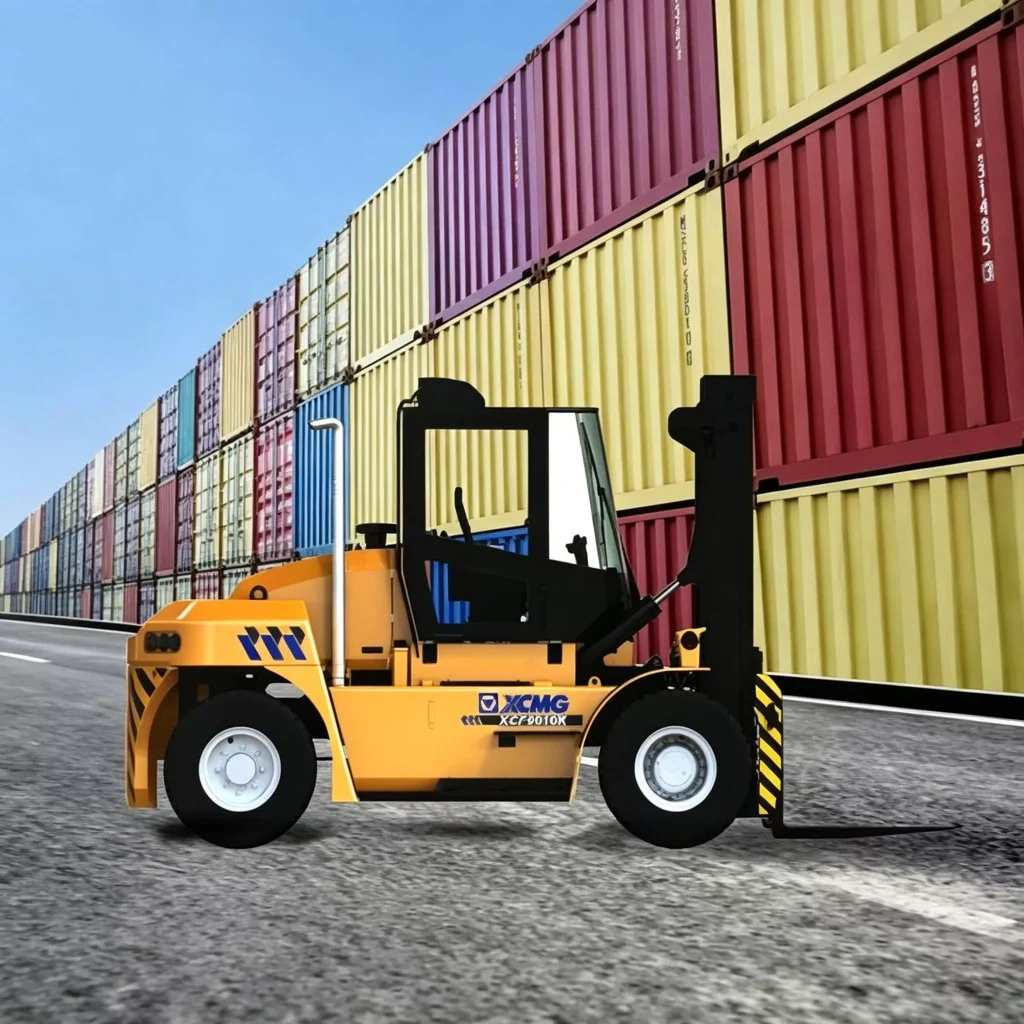
Cost Breakdown
Upfront Price
Diesel forklifts usually cost less at purchase. The engine tech is old and widely made. Electric models cost more because of the battery and motor system. But the gap has shrunk in recent years. Battery prices dropped, and more brands now build electric units at scale.
Fuel vs Electricity
Diesel prices swing with the market. One month it is cheap. The next month it bites your budget. Charging a battery costs less per hour of run time. Many warehouses already have the power lines. You just plug in at night. Over a year, electricity saves a lot compared to diesel fill-ups.
Maintenance Bills
Diesel engines need oil changes, filter swaps, and coolant checks. They have more moving parts. More parts mean more breakdowns. Electric forklifts skip most of that. No engine oil. No transmission fluid. No exhaust system to rust out. You check the battery and the hydraulics. That is about it. Less downtime, fewer repair bills.
Battery Replacement
The catch with electric units is the battery itself. A lead-acid pack lasts about five years. Lithium-ion can go eight to ten. But replacement is not cheap. You need to factor that into your long-term math. Even with that cost, many owners still come out ahead on total spend.
Performance on the Job
Lift Power and Speed
Diesel engines deliver strong torque. They handle heavy loads on rough ground well. Outdoor yards, lumber sites, and construction zones favor them. Electric forklifts match or beat diesel on flat concrete floors. Indoors, they accelerate fast and lift smooth. But mud, gravel, and steep ramps still belong to diesel.
Run Time
A full diesel tank runs a full shift and then some. An electric battery lasts one standard shift, maybe two with lithium. If you run three shifts around the clock, you need spare batteries or a fast-charge setup. Opportunity charging during breaks helps, but it takes planning.
Turning and Maneuverability
Electric forklifts often have a tighter turning radius. The battery sits low, so the center of gravity is good. That helps in narrow aisles and high-rack warehouses. Diesel units tend to be bigger and heavier. They need more room to turn and more floor strength to support their weight.
How to Choose
Ask Yourself These Questions
- Do you work mostly indoors or outdoors?
- How many hours per day will the forklift run?
- Is your floor smooth concrete or rough terrain?
- Do you have a charging station or fuel storage on site?
- What does your local air-quality rules allow?
- How tight are your aisles?
If you run indoors on smooth floors for one or two shifts, electric wins. If you work outside on dirt or gravel with heavy loads all day, diesel still makes sense. Some operations run a mixed fleet. Electric units inside, diesel units in the yard. That hybrid setup covers all bases.
One More Thing
The forklift market keeps changing. Battery tech gets better every year. More brands now offer solid electric options at fair prices. Diesel is not dead, but electric is catching up fast. Think about your total cost over five years, not just the sticker price on day one.
Meet MachPlaza
Need help finding the right forklift? MachPlaza stocks both electric and diesel models from top brands. We ship worldwide and back every unit with real support. Our team knows warehouses, job sites, and tight budgets. Tell us what you move, where you move it, and how long you run each day. We will point you to the machine that fits. No guesswork. No oversell. Just the right forklift at the right price.
FAQs
1. Do electric forklifts lift as much as diesel ones?
Yes, for most indoor loads. Electric units handle up to 12,000 pounds or more. For extreme outdoor loads on rough ground, diesel still holds the edge.
2. How long does a forklift battery last?
Lead-acid packs run about five years. Lithium-ion packs run eight to ten. Daily charging habits matter. Deep discharges wear them out faster.
3. Can I use a diesel forklift inside?
Only in spaces with massive ventilation. Most indoor sites ban them because of fumes and noise. Check your local safety codes first.
4. Is charging cheaper than diesel fuel?
Usually yes. Electricity rates are more stable than diesel prices. Over a year of daily use, the savings add up. Exact numbers depend on your local rates and run hours.
5. What about cold weather?
Diesel engines start hard in freezing temps. You may need block heaters. Battery performance also drops in the cold, but lithium handles it better than lead-acid. Storage in a warm bay helps both types.
6. Can I switch from diesel to electric mid-fleet?
Yes. Many warehouses do exactly that. Start with one electric unit in the cleanest indoor zone. Test it. Measure the savings. Then phase more in as old diesel units retire.
7. Do electric forklifts need special training?
Basic operation is the same. But charging safety and battery handling need a short briefing. Most dealers include that with delivery.
8. Which brands make the best electric forklifts?
Toyota, Hyster-Yale, Jungheinrich, and Crown all build strong electric lines. Chinese brands like Hangcha and BYD now offer great value too. MachPlaza carries a wide range so you can compare specs side by side.
