
Cranes 101: Everything You Need to Know

Industry News

2025/10/23

Cranes dot the skyline of every big build. They hoist beams, swing loads, and shape the world around us. In construction, these machines are the unsung workhorses. But if you’re new to the game—or even a seasoned hand—figuring out cranes can feel like a puzzle. What types fit your site? How do you pick one that won’t let you down? This guide breaks it all down. We’ll cover the basics, the must-knows, and tips to keep things safe and smooth. By the end, you’ll have everything you need to make smart calls on cranes. Whether you’re overseeing a high-rise or a simple bridge fix, these insights keep your projects on track.
The Role of Cranes in Modern Construction
Cranes do more than lift. They transform chaos into structure. Picture a crew piecing together a warehouse. Without a crane, beams stay on the ground. With one, they soar into place fast. These machines handle the heavy stuff—steel girders, concrete slabs, even prefab walls. That speed cuts labor costs and timelines.
In today’s builds, cranes adapt to tight spots. Urban sites? They squeeze in where trucks can’t. Remote jobs? They tackle rough ground. It’s all about matching the right crane to the task. Miss that, and delays pile up. Get it right, and your crew moves like clockwork.
Why Cranes Boost Your Bottom Line
Think efficiency. A well-chosen crane slashes manual handling. Workers focus on skills, not strain. Sites stay safer too—fewer injuries mean fewer claims. And uptime? Solid cranes run longer between fixes, keeping dollars in your pocket.
Data paints a clear picture. Projects with the right crane wrap 20% quicker on average. That’s not hype. It’s real gains from smart picks. Your brand shines when jobs finish ahead. Clients notice. Reputations build on reliability like that.
Breaking Down Crane Types
Not all cranes roll the same. Each type shines in its niche. Truck-mounted ones lead for mobility. Tower cranes rule tall builds. Rough terrain models chew up mud. Know the lineup, and you pick without guesswork.
Start with basics. Mobile cranes shift easy—great for sites that hop around. Fixed ones, like towers, lock in for steady lifts. Rough terrain? Built for off-road grit. Your choice hinges on site size, load weight, and how often you move.
Truck Cranes: The Versatile Pick
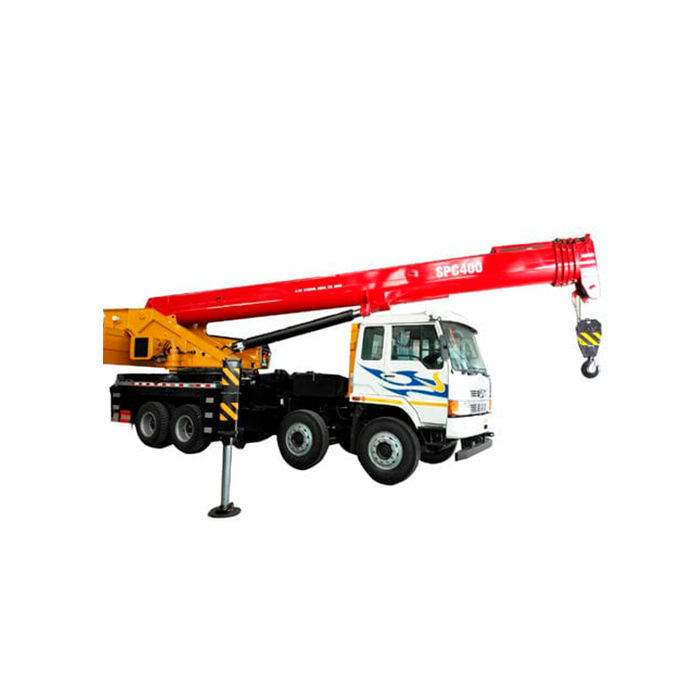
These ride on truck beds. Drive to site, unfold the boom, and lift. Perfect for mid-size jobs—think warehouses or roads. They haul 12 to 100 tons easy. Booms stretch 20 to 45 meters, reaching high without fuss.
Mobility wins here. No disassembly needed. Setup takes hours, not days. In city work, they dodge traffic jams. Fuel them right, and they hum through shifts. Drawback? Softer ground slows them. Still, for most builds, they’re a go-to.
Tower Cranes: Sky-High Specialists
Tower cranes stand tall—literally. They climb as buildings rise, topping 100 meters. Ideal for high-rises or stadiums. Loads? Up to 20 tons at the hook. Reach spans 50 meters or more.
Stability is key. Anchored to the structure, they sway little. Operators get bird’s-eye views from cabs. But install takes time. Dismantle even longer. Worth it for vertical pushes.
Rough Terrain Cranes: Off-Road Tough Guys
These beasts laugh at mud. Four-wheel drive, carrier under the boom. Lift 30 to 150 tons over bumpy paths. Booms hit 40 meters.
Use them on uneven sites—hillsides, quarries. Carrier design hugs ground tight. Quick setup, about an hour. They shine where trucks sink. Just watch the swing radius. Tight spots need careful plans.
Other Types Worth a Nod
Crawler cranes track like tanks. Super stable for mega loads—200 tons plus. Slow movers, but unbeatable for bridges. Floating cranes? Water work only, barges hauling oil rigs. Each fills a gap. Match to your dirt, and problems fade.
Key Features to Spot in a Crane
Features separate good from great. Look beyond stickers. Capacity tells lift limits. Boom length sets reach. Controls? Smooth ones save headaches.
Start with hydraulics. They power smooth lifts. Load sensors flag overloads—safety first. Cab comfort matters. Air-conditioned spots cut fatigue on hot days.
Lifting Capacity and Stability
Capacity is king. It rates max weight at full boom. Overrate it, and you risk snaps. Under, and you’re swapping machines. Stability ties in—wide outriggers spread load. Check counterweights too. They balance booms like seesaws.
In practice, test charts. They show safe zones by angle. Ignore them, and margins shrink. Solid builds handle wind gusts better. Your crew thanks you.
Boom Design and Reach
Booms fold or telescope. Telescopic ones adjust quick—handy for varied heights. Lattice booms? Lighter, taller reaches. Pick by job flow.
Reach covers radius. Short for tight yards, long for open fields. Jib extensions add flex. All mean less repositioning. Time saved stacks up.
How to Choose the Right Crane for Your Project
Picking a crane? Map your needs. Site size first. Tight? Go compact. Heavy loads? Beef up capacity. Budget plays in—rent or buy?
Steps simplify it. Sketch the site. List max lifts. Factor travel. Chat operators for real talk. Quotes reveal hidden costs—transport, setup.
Quick Comparison of Crane Types
| Type | Best For | Lift Range (Tons) | Setup Time | Mobility Level |
| Truck Crane | Urban/mid-size sites | 12-100 | Hours | High |
| Tower | High-rises | 5-20 | Days | Low |
| Rough Terrain | Off-road | 30-150 | 1 Hour | Medium |
| Crawler | Mega projects | 100+ | Hours | Low |
This table spots fits fast. Tweak for your dirt.
Tips for Smart Selection
- Gauge ground. Soft soil? Add mats under outriggers.
- Check power. Diesel for remote, electric for clean sites.
- Eye extras. Remote controls free hands. GPS tracks loads.
- Test run. If possible, see it lift your mock load.
- Plan permits. Tall booms need airspace nods.
These moves cut regrets. Projects flow better.
Safety Rules Every Crane User Must Follow
Safety isn’t optional. One slip, and sites shut. Start with training. Operators need certs—hands-on, not just books. Daily checks catch loose wires or leaks.
Rigging matters. Slings, hooks—inspect before hook-up. Wind over 20 mph? Ground it. Clear zones around swings. No shortcuts.
Common Hazards and Fixes
Bullets break it down:
- Overload: Use sensors. Never guess weights.
- Tip-overs: Extend outriggers full. Level first.
- Collisions: Signalers guide swings. Radios beat shouts.
- Electrical: Spot lines early. Keep 10 meters clear.
- Fatigue: Rotate shifts. Hydrate in heat.
Follow these, incidents drop. Your team goes home whole. Brands build on safe reps.
Keeping Your Crane in Top Shape
Maintenance beats breakdowns. Daily wipes clear dust. Weekly lube joints. Monthly, deep dives—brakes, hydraulics.
Logs track it all. Oil changes every 250 hours. Store dry, covers on. Winter? Drain fluids.
Routine Checks That Save Headaches
- Booms: Look for cracks. Grease pins.
- Cables: Frayed? Swap them.
- Hydraulics: Leaks mean trouble. Tighten fittings.
- Tracks/wheels: Align for even wear.
Skip these, costs climb. Stay on it, and cranes last years. Downtime? A thing of the past.
Spotlight on MachPlaza: Your Go-To Cranes Supplier
When sourcing cranes, a solid partner changes everything. MachPlaza steps up as a top exporter of construction gear, including reliable cranes built for tough sites. With years in the game, they ship complete machines and parts worldwide, hitting spots from Asia to Europe. Their crew focuses on custom fits—tailoring to your lift needs and timelines. Competitive prices pair with quick delivery, all backed by a network that handles logistics smooth. It’s personal service too: full-cycle support from quote to install. If cranes top your list, MachPlaza delivers the goods that keep builds moving.
Conclusion
Cranes power progress, but knowing them inside out sets you apart. From types that match your mud to features that fit the flow, it’s all about fit. Safety and upkeep seal the deal—smooth ops build lasting reps. Dive in, pick wise, and watch your projects rise. Got a build brewing? Time to gear up.
Frequently Asked Questions (FAQs)
What’s everything I need to know about crane types for construction?
Cranes come in flavors like truck-mounted for quick moves or tower for tall stacks. Everything boils down to site needs—load size, ground grip. Truck ones shine mobile; towers go vertical.
How do I pick the right crane without regrets?
Map your max lift and reach. Factor travel ease. Everything hinges on matching capacity to job weight. Test charts guide safe picks.
Why does safety matter so much with cranes?
One wrong swing, and risks skyrocket. Everything from training to daily checks keeps crews safe. Ground in wind, rig right—basics save lives.
What maintenance keeps cranes running strong?
Wipe daily, lube weekly. Everything from oil swaps to cable eyes cuts breakdowns. Logs track wear, stretching life years.
Where can I find reliable cranes for my next project?
Look to exporters with full support. Everything from custom booms to fast ships makes the difference in builds.
