
Backhoe Loaders: 7 Essential Uses for Your Construction and Excavation Needs

Industry News

2026/04/09

Backhoe loaders are very useful machines. They are popular in many industries. These machines combine a front loader and a backhoe. They work well in lots of jobs. This makes them very important for lifting heavy loads. They are great for digging too. They also handle materials well. In this article we look at seven main uses of backhoe loaders. We see how they help make work faster and better. This happens in construction. It also helps in agriculture. Landscaping benefits too. And more areas use them.
What is a Backhoe Loader?
A backhoe loader is a small machine. It does many different tasks. People use it often in construction and digging jobs. The machine has wheels or tracks. It moves around easily. A bucket sits in the front. It lifts things. A backhoe is in the back. It digs holes. The backhoe does excavation. It makes trenches for other work. The front loader moves dirt. It carries gravel. It handles debris too.
Backhoe loaders are different from excavators or bulldozers. They adapt well to many tasks. They offer a good way to save money. One machine handles many jobs. This is better than using several separate ones.
With this basic idea in mind, we can now look at the seven main uses. These uses show how backhoe loaders fit real work needs.
7 Major Uses of Backhoe Loaders
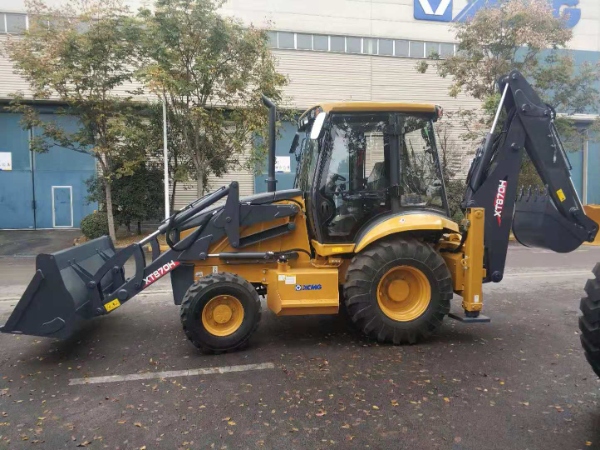
Backhoe loaders serve as key tools. Professionals in construction use them. Landscapers need them too. Farmers find them helpful. Other industries rely on them. Let us go into the seven main uses. These uses show the flexibility of the machines. They highlight their value in real work. Each use makes jobs easier and quicker for everyone involved.
Digging and Trenching
Digging and trenching is one main use. The backhoe lets you dig with care. It fits jobs like making building foundations. It digs trenches for plumbing lines. It works for electrical cables too. Excavation for utility projects is easy with it.
In construction sites, backhoe loaders dig trenches. These are for pipelines. They do it for cables. Drainage systems get help too. The machine digs deep. It stays accurate. This creates good foundations. It builds basements. It sets up underground infrastructure.
For example, new pipelines need installation. The backhoe loader digs the trench. It lays the pipes. The job moves ahead smoothly. It goes fast too. Operators control it well. They get the exact depth needed. This saves time on the project. Many workers prefer it because it is easy to use. The controls feel simple. They can work for hours without getting tired.
Material Handling
Material handling is another key use. Backhoe loaders lift with power. They move dirt easily. They handle gravel. Other construction items move well too. The front loader bucket does the work. Operators transport materials. They load them without hard work.
On job sites, backhoe loaders fill trucks. They use construction supplies. They clear debris from the area. Quick movement helps the flow of work. It makes the site more efficient.
For example, a demolition project ends. The backhoe loader moves rubble. It clears debris fast. This beats manual labor. Other machines take more time. The loader does it all in one go. This helps keep the site clean. Everyone can focus on the main job. Safety improves too because less manual work happens.
Light Demolition and Site Cleanup
Light demolition and site cleanup work well with backhoe loaders. The backhoe arm and front loader work together. They break up structures. Small buildings come down. Fences get removed. Pavements break apart.
The backhoe can use a hydraulic breaker. It breaks concrete. Asphalt breaks too. Hard materials crack easily. This clears sites for new projects. It prepares land for development.
Backhoe loaders remove old foundations. They clear plants and bushes. Concrete breaks for recycling. These tasks fit the machine well.
Workers like the combo of tools. It makes cleanup quick. Sites get ready faster for the next step. The machine handles tough spots without much effort. This keeps the whole team on track.
Grading and Site Preparation
Grading prepares the land. Backhoe loaders do this job well. The front bucket levels uneven ground. It makes a smooth surface. This helps later construction.
You can prepare a building foundation. Roadways get smooth. Gardens level out nicely. The land is ready for more work.
Grading helps with drainage. It creates slopes for water. Flooding stays away in sites. Farm fields benefit too.
The machine makes the process simple. Operators adjust the bucket. They get the right level each time. This step avoids problems later. It sets up a strong base for everything that follows.
Utility and Pipeline Installation
Utility and pipeline work needs backhoe loaders often. Digging trenches is their strength. They handle pipes and cables. Various materials and depths work fine.
For new waterlines, the machine digs the trench. It lays the pipe. Then it backfills the hole. All tasks happen with one tool. This saves time. It cuts costs too.
Backhoe loaders help in maintenance. They reach underground systems. Pipes get repaired. Cables are fixed or replaced.
The versatility shines here. One machine does the full job from start to finish. Teams finish projects sooner. This keeps schedules on track and budgets low.
Agricultural and Farm Work
Agriculture uses backhoe loaders a lot. Farms and ranches need them for many tasks. Farmers dig with them. They trench for water. Materials move around. Even livestock can shift with care.
Digging irrigation ditches is common. Trees get planted. Soil and compost move for crops. One machine does many farm jobs. This boosts efficiency.
On farms, hay bales move. Manure gets shifted. Heavy items are easy to handle. Daily work goes smoother.
The machine fits farm life well. It handles tough ground. It works in open spaces. Farmers save hours each day. This lets them focus on growing better crops or caring for animals.
Landscaping and Urban Development
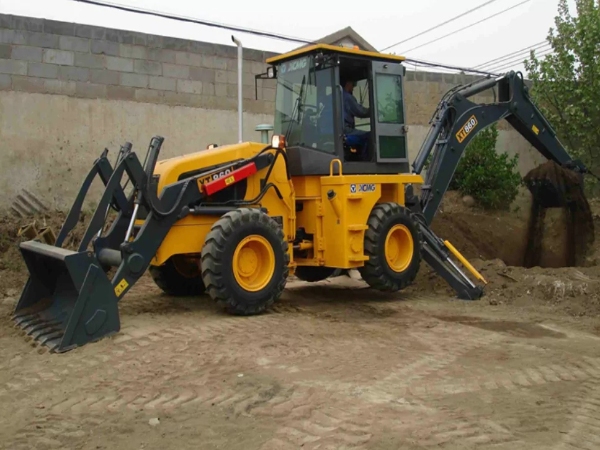
Landscaping and urban projects use backhoe loaders. Digging moves dirt. Plants and trees shift. The small size helps in tight city spots.
In landscaping, holes are dug for trees. Berms get made. Soil levels for lawns. New gardens take shape.
Urban development prepares land. New buildings need space. Roads and parks get set up. The machine helps throughout.
Attachments make it better. An auger digs exact holes. Trees plant in streets. Parks look nice.
The compact design is a big plus. It navigates narrow areas. Work in cities flows easy. This keeps urban jobs moving without big delays or extra machines.
These seven uses cover many needs. Backhoe loaders fit right in. They make tough jobs feel much easier every day.
Meet MachPlaza
At MachPlaza, we offer high-quality backhoe loaders. They fit your project needs. Our machines work with high efficiency. They last long too. They are the best pick for construction and digging tasks.
MachPlaza is a trusted supplier. We give great service to customers. We have many equipment choices. You will find the right backhoe loader for your work. This support helps teams finish strong and stay safe.
Conclusion
Backhoe loaders are must-have machines. They work in many fields. Digging, handling materials, demolition, and landscaping all benefit. They add real value to sites. Farms use them daily. Urban areas grow with their help.
FAQs
What is the primary function of a backhoe loader?
A backhoe loader mainly digs and makes trenches. It also moves materials well. Light demolition is another strength. Grading land works great. It handles many other building tasks.
How deep can a backhoe loader dig?
Backhoe loaders dig from 10 to 20 feet deep. This depends on the model. The attachment used matters too.
Can a backhoe loader be used for landscaping?
Yes, backhoe loaders work well in landscaping. They dig holes for plants. Trees get space too. Ground levels out. Soil and materials move easily.
What is the difference between a backhoe loader and an excavator?
A backhoe loader mixes a front loader for lifting. It has a backhoe for digging. This makes it more flexible. It is smaller than an excavator. The excavator focuses only on digging.
How do I choose the right backhoe loader for my project?
Choosing a loader that suits oneself requires consideration of factors such as load capacity, power system, operational performance, safety performance, and maintenance. Only by fully understanding these factors and weighing them according to one’s actual needs can one make the right choice.
