
All Terrain Cranes: Everything You Need to Know

Industry News

2026/01/01

All terrain cranes catch attention in heavy lifting tasks. These units take on hard work where other gear could fail. They roll easy over bumpy dirt and reach road speeds when it counts. If you work in building or manage large tasks, knowing about these cranes can change how you finish jobs well.
Understanding All Terrain Cranes
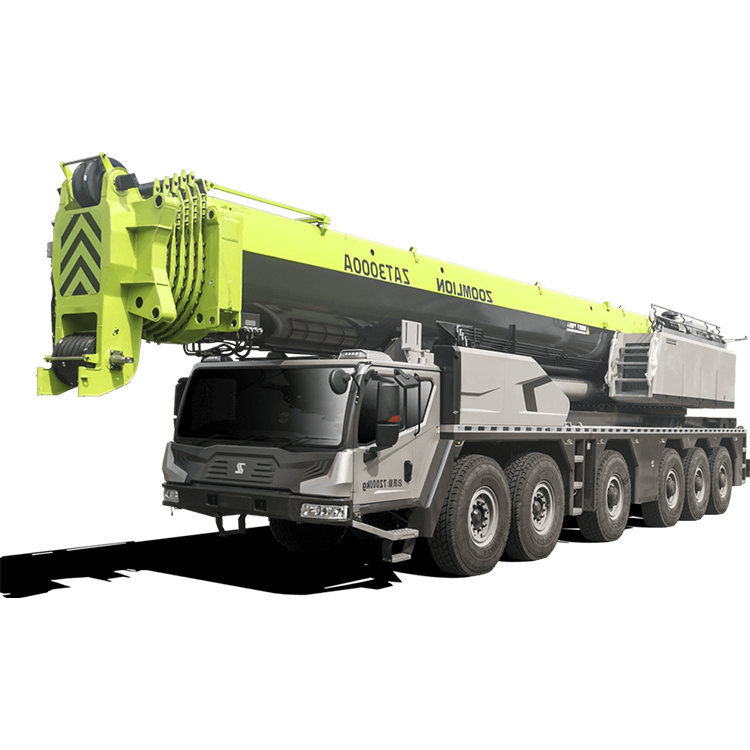
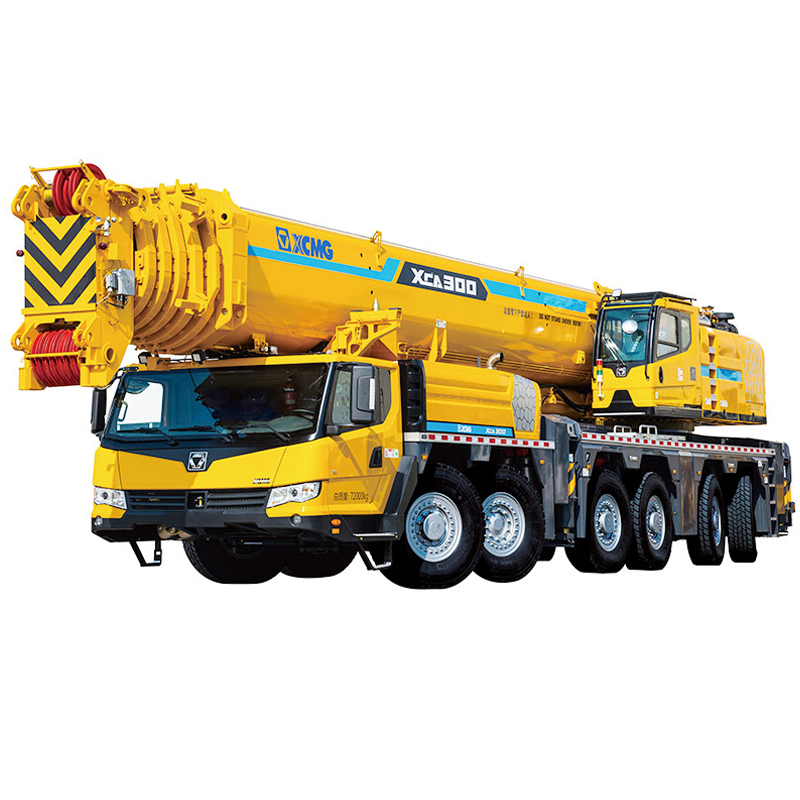
These cranes mix top parts from truck types and rough land kinds. They sit on a base with many wheels. So, they deal with bumpy spots but still drive on normal streets. Workers count on them for tasks that need fast start and solid picks.
This design helps them do great in places with little room or changing dirt. Picture a crowded city job one time, then a far field after that. Such bendiness holds tasks steady.
Key Features of All Terrain Cranes
Several elements make these cranes reliable for demanding tasks.
- Multiple Axles and Steering: Often with 4 to 9 axles, they offer all-wheel drive and steering. This means better control on mud, gravel, or asphalt.
- Boom Design: Telescopic booms extend far, sometimes over 200 feet, allowing lifts without extra setup time.
- Dual Engines: One powers the drive, another handles lifting. This split keeps operations smooth and efficient.
- Outriggers for Stability: Hydraulic outriggers lock in place fast, spreading weight to prevent tipping on soft soil.
- Cab Comfort: Wider cabs with good visibility reduce fatigue during long shifts.
Features like these ensure the crane adapts to whatever the site throws at it. From high winds to cramped areas, they hold up.
Benefits of All Terrain Cranes
Switching to an all terrain crane brings clear gains for teams on the ground. Mobility tops the list – no need for trailers to move between sites. Drive it straight there at speeds up to 55 mph. That cuts downtime and transport costs.
On site, quick deployment matters. Set up in minutes, not hours. For a bridge repair over a river, this speed avoids traffic backups and keeps crews productive. Plus, their strength handles loads from 40 tons to over 500 tons without breaking a sweat.
Fuel use drops too, thanks to smart systems that adjust power on the fly. Over a year, that adds up to real savings. Safety improves with built-in tech like load sensors and anti-tip alarms. Fewer accidents mean smoother operations and lower insurance bills.
These perks build trust in the equipment. Projects finish faster, budgets stay in check, and teams feel secure.
Comparing All Terrain Cranes to Other Types
Not all cranes fit every job. Here’s a quick look at how they stack up.
| Feature | All Terrain Crane | Rough Terrain Crane | Truck Crane |
| Mobility on Roads | High (up to 55 mph) | Low (off-road only) | High |
| Off-Road Capability | Excellent | Excellent | Limited |
| Setup Time | Fast | Moderate | Slow |
| Lifting Capacity | Up to 500+ tons | Up to 150 tons | Up to 300 tons |
| Ideal For | Mixed terrains | Rugged sites | Highways |
This table shows why all terrain models bridge gaps. They pull from both worlds without major trade-offs.
Common Applications for All Terrain Cranes
These cranes show up in all sorts of fields. In construction, they lift steel beams for high-rises or place concrete panels on bridges. Picture a team assembling a wind turbine – the crane hoists blades hundreds of feet up, even on hilly farms.
Mining operations use them to move heavy gear into pits. Oil and gas sites depend on their reach for pipeline installs over rough land. Even in cities, they handle HVAC units on rooftops without blocking streets for long.
Emergency crews turn to them too. After storms, they clear fallen trees or repair power lines fast. Versatility like this keeps industries moving forward.
No matter the sector, these machines adapt. That reliability builds strong reputations for companies that use them well.
How to Choose an All Terrain Crane for Your Project
Picking the right one starts with the job details. Assess the max load weight first. A 100-ton lift needs more power than a 50-ton one. Check boom length too – does the site require reaching over obstacles?
Site conditions play a big role. Soft ground calls for wider outriggers. Tight spaces demand compact models with sharp turning. Budget factors in rental rates, fuel, and transport.
Talk to suppliers early. They spot needs you might miss, like extra attachments for specialized lifts. Test runs help confirm the fit.
Factors Influencing Your Decision
Consider these points before committing:
- Project timeline: Shorter jobs favor quick-movers.
- Terrain type: Mix of road and off-road? Go all terrain.
- Crew experience: Easier controls suit less seasoned teams.
- Regulations: Ensure compliance with local weight limits.
Weighing these keeps surprises low and efficiency high.
Safety Tips When Operating All Terrain Cranes
Safety isn’t optional here. Always inspect outriggers before lifts – uneven ground can shift things fast. Use load charts to avoid overloads; they account for boom angle and radius.
Train operators on wind effects. Gusts over 20 mph might halt work. Clear the area below lifts, and signal clearly with spotters.
Regular checks catch issues early. Hydraulic leaks or worn tires lead to downtime or worse. Follow manufacturer guidelines strictly.
Staying vigilant protects everyone on site. Good habits turn potential risks into routine successes.
Maintenance Essentials for Longevity
Keep these cranes running strong with steady care. Change fluids every 500 hours to prevent breakdowns. Grease joints daily in dusty spots.
Store them under cover when possible. Rain and sun wear parts faster. Track tire pressure – low levels cut mobility and raise fuel use.
Professional servicing every six months spots hidden problems. Clean filters after tough jobs. Simple steps like these extend service life by years.
Proper upkeep pays off. Machines last longer, costs drop, and jobs stay on schedule.
Future Trends in All Terrain Crane Technology
Tech keeps evolving these machines. Hybrid engines cut emissions while maintaining power. Sensors now predict maintenance needs, avoiding sudden stops.
Automation aids precision lifts. Remote controls let operators work from safer spots. Lighter materials boost capacity without added weight.
Watch for electric versions too. They run quieter and cheaper in urban areas. These shifts make cranes greener and smarter.
Staying current with trends positions businesses ahead. Adopting new tech enhances output and cuts environmental impact.
Meet MachPlaza
As a trusted supplier of truck cranes, MachPlaza offers a wide range from complete units to spare parts. With a focus on quality and timely delivery, they support global projects through a strong network. Check their about page for more on their commitment to customer needs.
Conclusion
All terrain cranes deliver the mix of power, mobility, and versatility that modern jobs demand. From urban builds to remote sites, they handle lifts with ease and keep operations flowing. Understanding their features and benefits equips you to make smart choices that boost project success. For more options, explore products suited to your needs.
FAQs
What makes an all terrain crane different from other mobile cranes?
An all terrain crane combines road speed with off-road toughness. It uses multiple axles for stability and dual engines for efficient lifts, setting it apart in mixed environments.
How do I find the best all terrain crane for construction sites?
Look at lift capacity, boom reach, and site terrain. Suppliers like those at MachPlaza’s all terrain crane category provide options tailored to heavy-duty builds.
What are the main benefits of using an all terrain crane in rough terrain?
They offer quick setup, strong maneuverability, and high load handling. This reduces time on site and handles uneven ground without extra equipment.
How often should I maintain an all terrain crane?
Check daily for basics like tires and fluids. Full services every six months keep it reliable and extend its working life.
Can all terrain cranes handle high-wind conditions safely?
Yes, with proper load charts and wind monitoring. Operators pause lifts in gusts over 20 mph to ensure stability.
